1. Milpitas Dental Group

dental cleaning

30Dec 2025

What’s the Difference Between Plaque and Tartar? (And How to Stop Both)

If you’ve ever left the dentist with that smooth, squeaky-clean feel, you’ve felt the difference between a tooth with plaque vs. one that’s been cleared of tartar. Here’s the plain-English breakdown and how to keep buildup from turning into bigger (and more expensive) problems.

Plaque: Soft, Sticky, Constant

What it is: A thin film of bacteria + food acids that forms all day, every day.
How it feels/looks: Slippery or “fuzzy” by night; usually colorless or pale yellow.
Why it matters: The bacteria in plaque feed on sugars and release acids that weaken enamel and irritate gums.

Good news: Plaque is removable at home with solid brushing, flossing, and rinsing.

Daily wins to remove plaque

  • Brush 2×/day for 2 minutes with fluoride toothpaste
  • Floss once daily (or use water flossers/interdental brushes)
  • Rinse after sugary/sticky snacks; sip water often
  • Replace your brush head every 3 months (or sooner if bristles fray)

Tartar (Calculus): Hard, Stubborn, and Stuck

What it is: Hardened plaque. Minerals in your saliva can turn plaque into tartar in as little as 24–72 hours—especially along the gumline and between teeth.
How it feels/looks: Rough, crusty deposits (often yellow or brown) that trap more plaque and stain easily.
Why it matters: Tartar keeps bacteria glued to the tooth and gumline, increasing the risk of cavities, bleeding gums, gum disease, and bad breath.

Important: Once plaque hardens into tartar, you can’t remove it at home—it must be gently scaled off by a dental hygienist with professional instruments.

Plaque vs. Tartar: Quick Comparison
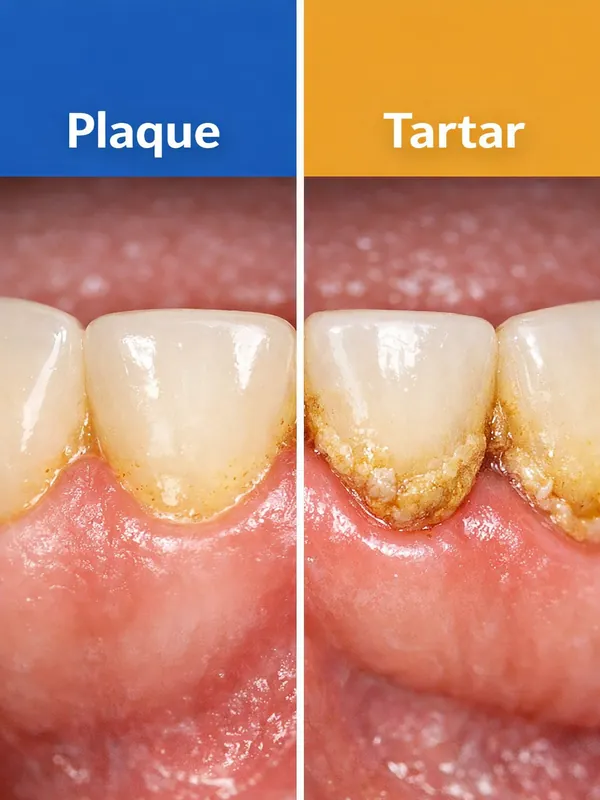
  • Texture
    • Plaque: soft, sticky → removable with home care
    • Tartar: hard, cement-like → professional removal only
  • Speed
    • Plaque forms every day
    • Tartar can form in 24–72 hours if plaque sits
  • Risk
    • Plaque: early enamel wear, gum irritation
    • Tartar: ongoing inflammation, gum disease, bone loss

How We Treat It at Milpitas Dental Group

  • Professional cleaning (prophy): Removes plaque, stains, and tartar above the gumline; polishes to a smooth finish that resists buildup.
  • Periodontal therapy (deep cleaning): When tartar and inflammation extend below the gumline, we perform scaling and root planing to clear deposits and calm the gums.
  • Personalized prevention plan: Fluoride, sealants (for kids and cavity-prone adults), sensitivity care, and home-care coaching.

FAQs: Plaque, Tartar, and Cleanings

Can I remove tartar myself?
No. Tartar is mineralized and too hard for brushing or flossing to dislodge. DIY scraping can damage enamel and gums. A hygienist removes it safely with professional tools.

Does tartar cause bad breath?
Often, yes. Tartar traps plaque and food particles, which can lead to persistent halitosis. Cleanings + good home care usually improve breath quickly.

Why do I build tartar so fast?
Everyone’s saliva chemistry is different. Tight tooth spacing, orthodontic wires, dry mouth, and diets high in sugary/sticky snacks all increase buildup. We can tailor a plan (e.g., 3–4 month cleanings, targeted tools) if you’re a “fast builder.”

What’s the best toothpaste or mouthwash to prevent tartar?
Use a fluoride toothpaste twice daily and any alcohol-free rinse you’ll use. If your gums are inflamed or you’re high-risk, we may recommend a prescription-strength rinse or toothpaste.

Electric brush or manual?
An electric brush with a 2-minute timer and pressure sensor helps most people remove more plaque with less effort—but good technique wins either way.

How often should I get a cleaning?
Most healthy patients: every 6 months. If you build tartar quickly or have a history of gum disease, every 3–4 months is smarter.

Do kids get tartar, too?
Yes—especially around molars and retainers. Regular cleanings, sealants, and brushing help keep it away.

Your Local Smile Team in the South Bay

If you live in Milpitas, San Jose, Fremont, Union City, Mountain View, Sunnyvale, or Alviso, we’d love to help you keep plaque away and stop tartar from forming. A quick visit can mean fewer cavities, healthier gums, and fresher breath—all year long.

Call (408) 719-9340 or book at milpitasdentalgroup.com.
15Sep 2025

Back-to-School Smiles: Checkups & Sports Mouthguards for Milpitas Families

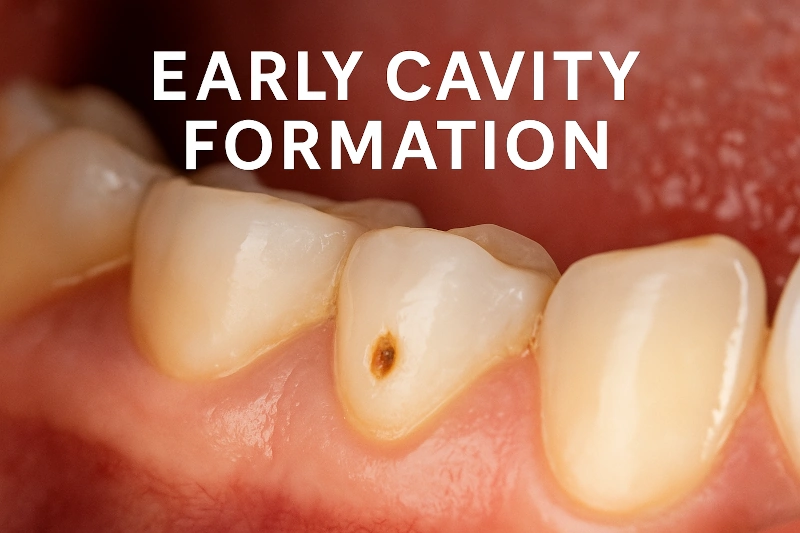
As fall sports kick off across Milpitas Unified, Fremont Unified, and North San Jose, it’s the perfect time to book your child’s dental checkup and get fitted for a sports mouthguard. Routine exams and cleanings help spot early signs of decay and strengthen enamel with fluoride—key protection during a busy school season with on-the-go snacks and sports drinks. Cavities form when oral bacteria feed on sugars and release acids that weaken enamel, which is why consistent preventive care matters. CDC

Close-up of teeth showing early cavity formation with text overlay “EARLY CAVITY FORMATION.”

For athletes in football, water polo, volleyball, and basketball, custom mouthguards are a smart upgrade over boil-and-bite options. Research shows mouthguards reduce dental and orofacial injuries in contact and collision sports; well-fitted guards distribute impact forces and protect teeth, lips, and jaws. NZDA Assets The American Academy of Pediatrics also advises parents that mouthguards help prevent dental emergencies—especially for sports with player contact or fast-moving equipment. HealthyChildren.org

What about performance and comfort? Modern custom mouthguards use precise impressions for a slimmer profile that stays put—so kids can breathe, speak, and hydrate without constantly removing them. Reviews of current evidence note protection benefits are clear, while performance “boost” claims remain unproven.

Pro tips for San Jose–area parents:

  • Schedule cleanings and exam updates now—before practices and games fill your calendar in Sunnyvale, Mountain View, and Union City.
  • Ask for a custom mouthguard if your child wears braces; it can be designed to protect appliances and soft tissue.
  • Replace a mouthguard each season or sooner if it’s damaged or outgrown.
  • Rinse with water after sports drinks and wait 30 minutes before brushing to avoid scrubbing softened enamel. NHS guidance supports a 30-minute window after acidic drinks/foods. NHS Lancashire

Call us for Kid’s Dental Care in the Milpitas Area

From Alviso club teams to Fremont rec leagues, a small investment in preventive care and a quality mouthguard can save your family from costly, painful dental injuries—and keep your student athlete on the field with a confident smile. If you live or play anywhere along the I-880 and 237 corridors (Milpitas, North San Jose, Fremont, Sunnyvale, Mountain View, Union City, Alviso), we’re nearby and ready to help.

4Sep 2025

Use-It-or-Lose-It 2025: Maximize Dental Insurance & FSA by Dec 31

The end of the year comes fast in the South Bay—between school events in Milpitas and work sprints in San Jose, Sunnyvale, and Mountain View. Now’s the moment to plan any remaining covered dental care and use Flexible Spending Account (FSA) dollars before December 31. FSAs are pre-tax funds you can use for eligible medical and dental expenses for yourself, a spouse, and dependents. HealthCare.gov

Many FSAs follow a “use-it-or-lose-it” model, meaning leftover funds may be forfeited unless your employer offers either a small carryover or a short grace period. For 2024 plan years, the IRS allowed a maximum carryover of $640 if the employer elected that feature; contribution and carryover limits are updated annually in IRS guidance. Check your plan’s 2025 specifics so you don’t leave money on the table. IRS

How to make the most of Q4 in Milpitas, Fremont, Union City, Sunnyvale, Mountain View, and Alviso:

  1. Finish preventive care: Cleanings and exams help catch small problems before they need bigger (and pricier) treatment.
  2. Schedule fillings or crowns you’ve delayed: Using remaining benefits now can prevent higher out-of-pocket costs later.
  3. Start longer treatments smartly: If your plan renews Jan 1, begin multi-visit care (e.g., Invisalign, implants, or crowns) with a phased calendar that considers annual maximums.
  4. Match treatment to FSA timelines: FSAs generally cover non-cosmetic dental care; confirm eligible expenses and your deadline with your HR/benefits portal.
  5. Book early: Late-November calendars fill fast across the I-880/237 corridor—snag after-school or lunch-break appointments while there’s still flexibility.

Milpitas Dentist

Not sure what your insurance covers? We can help you understand benefits and estimate copays so you can prioritize what fits this year’s budget. Whether you commute to North San Jose tech campuses or live in Fremont or Sunnyvale, our Milpitas location makes it easy to maximize benefits before they reset. Contact us.

Skip to content