- posted by : JenniferV
- Family dentist,Uncategorized
- Comments Off on Spring Dental Cleaning in Milpitas: Why This Season Is a Smart Time to Book
Spring Dental Cleaning in Milpitas: Why This Season Is a Smart Time to Book
Spring is all about fresh starts, and that can include your smile too. If you have been meaning to get back on track with preventive dental care, spring is one of the best times to schedule a dental cleaning in Milpitas. Between spring cleaning at home, resetting routines, and preparing for busy summer schedules, many families find this season ideal for dental checkups.
Why Preventive Dentistry Matters for Overall Health
Routine dental visits matter more than many people realize. According to CDC FastStats, about 64.9% of adults age 18 and older had a dental exam or cleaning in the past year. That also means a significant share of adults are still missing recommended preventive care. The CDC also reports that about 1 in 4 adults ages 20 to 64 has untreated dental caries, which helps explain why delaying checkups can lead to bigger problems later.
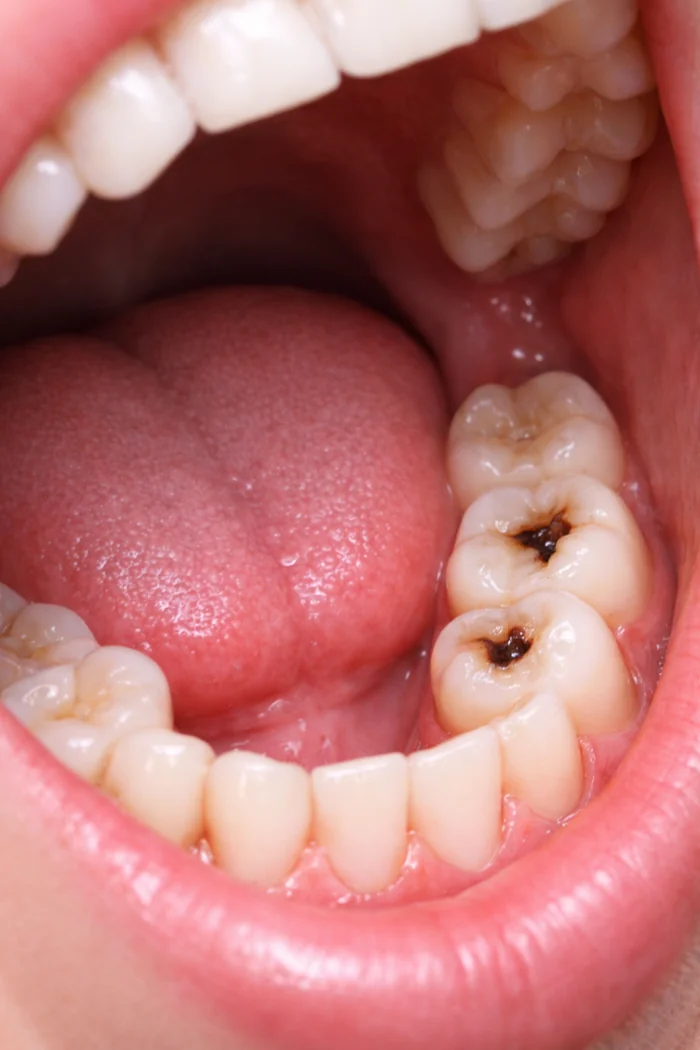
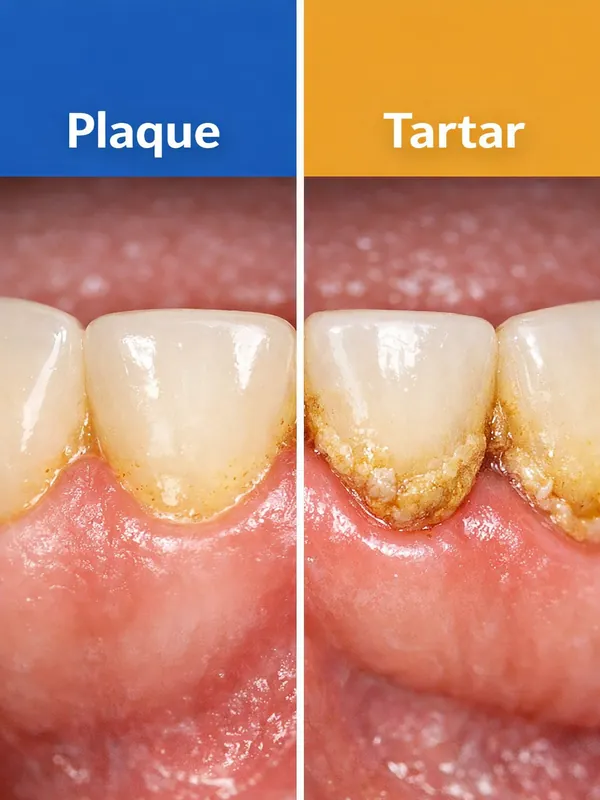
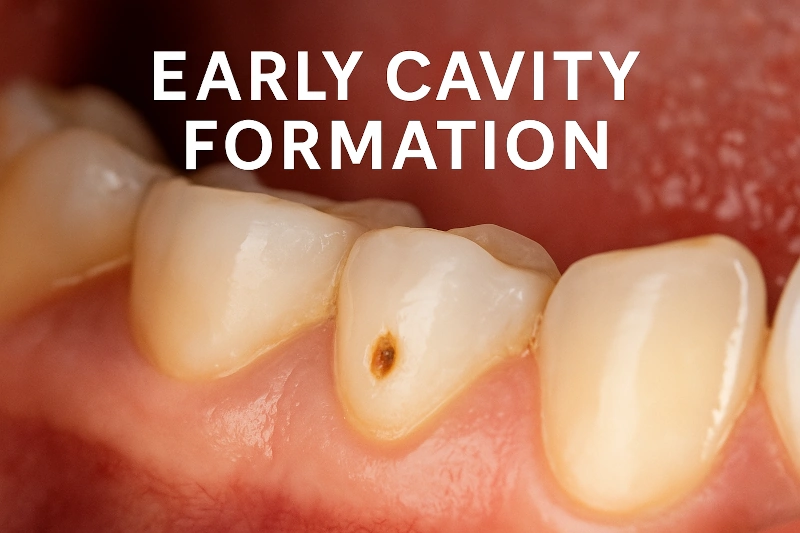
A spring cleaning appointment can help remove plaque and tartar buildup that brushing and flossing at home may miss. It is also a good time for your dentist to check for early signs of cavities, gum inflammation, enamel wear, or other issues before they become more painful or costly to treat. Gum disease is especially common. The CDC notes that nearly half of adults age 30 and older show signs of periodontal disease.
For local families, spring can be especially practical. Many patients from Milpitas, San Jose, Fremont, Union City, Mountain View, Sunnyvale, and Alviso use this season to fit in appointments before summer vacations, camps, weddings, graduations, and other events fill the calendar. Booking now may also make it easier to plan any follow-up treatment before the year gets busier.
This topic also matters because oral health is closely tied to overall well-being. The CDC states that oral disease can affect eating, speaking, quality of life, and daily comfort. Preventive dentistry is not just about keeping teeth clean. It is about protecting function, comfort, and confidence.

Do You Really Need a Dental Cleaning Every Six Months?
If it has been six months or longer since your last visit, spring is a smart time to schedule. Preventive care today can help you avoid discomfort and unexpected treatment later.
At Milpitas Dental Group, we proudly serve patients in Milpitas and nearby communities including San Jose, Fremont, Union City, Mountain View, Sunnyvale, and Alviso. If you are looking for a trusted local dentist for a spring cleaning and exam, our team is here to help you start the season with a healthier smile.