- posted by : JenniferV
- Milpitas Dentists
- Comments Off on Milpitas Dental Group Opens New Location on Montague Expressway
Milpitas Dental Group Opens New Location on Montague Expressway
Finding a convenient dental office can make it much easier to keep up with routine visits, treatment plans, and family appointments. That is why Milpitas Dental Group is excited to welcome patients to a new second location at 991 Montague Expressway #103, Milpitas, CA 95035.
This new Milpitas dental office gives local families, working professionals, and nearby residents another convenient place to receive experienced dental care in the Milpitas area.
A New Milpitas Dental Office for Convenient Care
Milpitas is a busy community, and patients often need dental care that fits into real-life schedules. Between work, school, commuting, errands, and family responsibilities, location matters.
The new Milpitas Dental Group office on Montague Expressway offers another option for patients looking for a trusted Milpitas dentist close to home, work, and nearby neighborhoods.
New Location:
Milpitas Dental Group
991 Montague Expressway #103
Milpitas, CA 95035
Phone: (408) 719-8300
Fax: (408) 274-4438
Why Dental Office Access Matters
Consistent dental care can support long-term oral health. The CDC notes that oral health can affect overall quality of life and that access to preventive dental services plays an important role in community oral health.
For many patients, a nearby dental office makes it easier to schedule:
- Routine dental exams
- Professional cleanings
- X-rays when needed
- Restorative treatment
- Cosmetic consultations
- Family dental appointments
- Follow-up care
A convenient location can also help patients avoid delaying care when a tooth feels sensitive, a filling feels loose, or it has simply been too long since the last dental visit.
Dental Care for Families, Adults, and Professionals
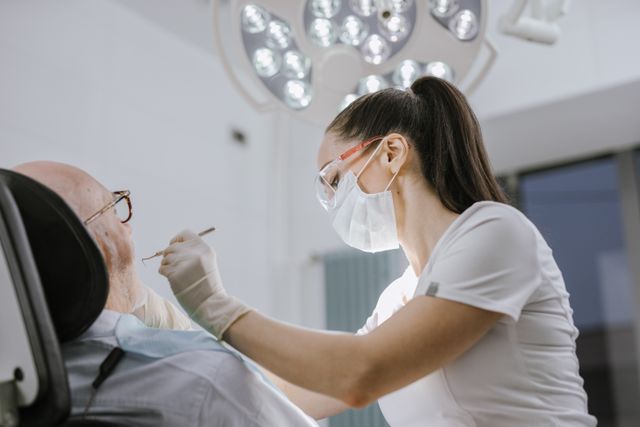
Milpitas Dental Group serves a wide range of patients, including adults, parents, kids, families, and busy professionals. The new location supports the same kind of practical, patient-centered care local residents already look for when choosing a Milpitas dental office.
Services may include:
Preventative Dentistry
Preventive care helps patients stay ahead of common dental concerns. Exams and cleanings give the dental team a chance to check the teeth, gums, bite, and overall oral health before small issues become more involved.
Restorative Dentistry
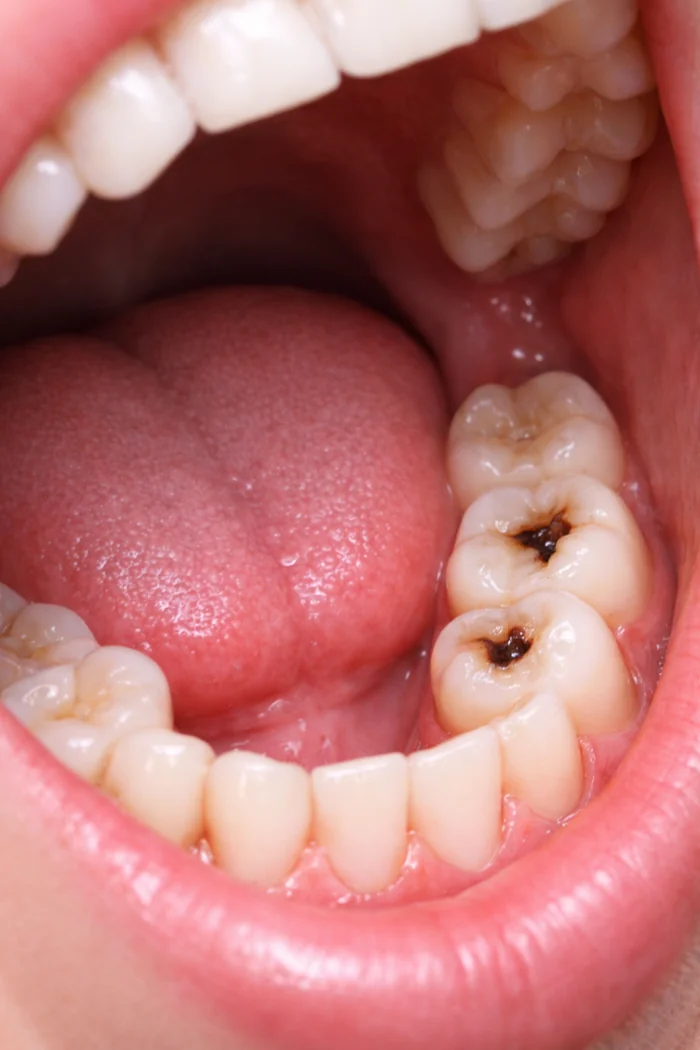
Restorative dentistry may help repair damaged, worn, decayed, or missing teeth. Depending on the patient’s needs, treatment may include fillings, crowns, bridges, dentures, implants, or other options.
Cosmetic Dentistry
For patients who want to improve the appearance of their smile, cosmetic dentistry may include teeth whitening, veneers, crowns, or other smile-enhancing treatments.
Family Dentistry
Families often benefit from having one dental office that can help coordinate care for parents and children. The American Academy of Pediatric Dentistry describes a “dental home” as an ongoing relationship that includes comprehensive, accessible, coordinated, and family-centered oral health care.
Why This Location May Be Helpful for Summer Scheduling
June and July can be a practical time to catch up on dental care. School schedules shift, families prepare for travel, and adults may want to complete appointments before fall routines return.
The new Montague Expressway location gives patients another way to fit dental care into a busy summer schedule. It may be especially helpful for:
- Families booking appointments for multiple people
- Professionals looking for care near work or commuter routes
- Patients near McCarthy Ranch, North San Jose, or nearby Milpitas neighborhoods
- New patients searching for a Milpitas dentist
- Existing patients who prefer the new location
Choosing a Dental Office in Milpitas
When choosing a dental office, patients often look for a combination of experience, convenience, services, and trust. A local office that offers a range of dental services can make it easier to stay consistent with care over time.
A strong dental care relationship also helps the dental team understand a patient’s history, goals, concerns, and treatment preferences. That continuity can be especially valuable for families, patients with ongoing dental needs, and adults planning larger restorative or cosmetic treatments.
Visit Our New Milpitas Dental Office
Milpitas Dental Group is proud to continue serving the local community with a second Milpitas location on Montague Expressway. Whether you are due for a dental exam, interested in cosmetic treatment, need restorative care, or want a convenient dental office for your family, our team is here to help.
FAQ
Where is the new Milpitas Dental Group location?
The new location is at 991 Montague Expressway #103, Milpitas, CA 95035.
What is the phone number for the new location?
You can call (408) 719-8300.
Does Milpitas Dental Group see families?
Yes. Milpitas Dental Group provides dental care for adults, children, parents, and families.
Why choose a dental office close to home or work?
A convenient dental office can make it easier to keep up with exams, cleanings, follow-up care, and treatment appointments without disrupting your schedule.
What dental services are available?
Milpitas Dental Group offers a wide range of dental services, including preventative, restorative, cosmetic, orthodontic, implant, denture, pediatric, and endodontic care.
Schedule a Visit at Our New Milpitas Location
Looking for a convenient Milpitas dental office? Schedule an appointment with Milpitas Dental Group at our new Montague Expressway location.
Milpitas Dental Group
991 Montague Expressway #103
Milpitas, CA 95035
Phone: (408) 719-8300