1. Milpitas Dental Group
  2. 2026
  3. April

April 2026

30Apr 2026

Dental Implants in Milpitas: Who Is a Good Candidate?

If you are missing one or more teeth, dental implants may be one of the most reliable long-term ways to restore your smile. Dental implants are designed to replace missing tooth roots and support a crown, bridge, or denture. The American Dental Association explains that implants are a popular and effective option for replacing missing teeth, but candidacy depends on more than simply wanting a better smile.
For many patients in Milpitas, the real question is not whether implants look natural. It is whether they are a good fit for your oral health, bone support, healing ability, and overall treatment goals.
What Makes Someone a Good Candidate for Dental Implants?
In general, a good dental implant candidate has healthy gums, enough jawbone to support the implant, and overall health that allows the bone to heal properly after placement. Because implant placement is a surgical procedure, healing matters. The ADA also notes that conditions affecting healing, along with tobacco use, can interfere with implant success.


You May Be a Good Candidate If:


• You have one missing tooth, several missing teeth, or need a more stable alternative to removable dentures
• Your gums are generally healthy or can be treated before implant placement
• You have enough jawbone, or you may qualify for bone grafting first
• You are committed to good oral hygiene and regular dental visits
• You want a long-term tooth replacement option that feels secure and natural


Why Gum Health Matters Before Implants


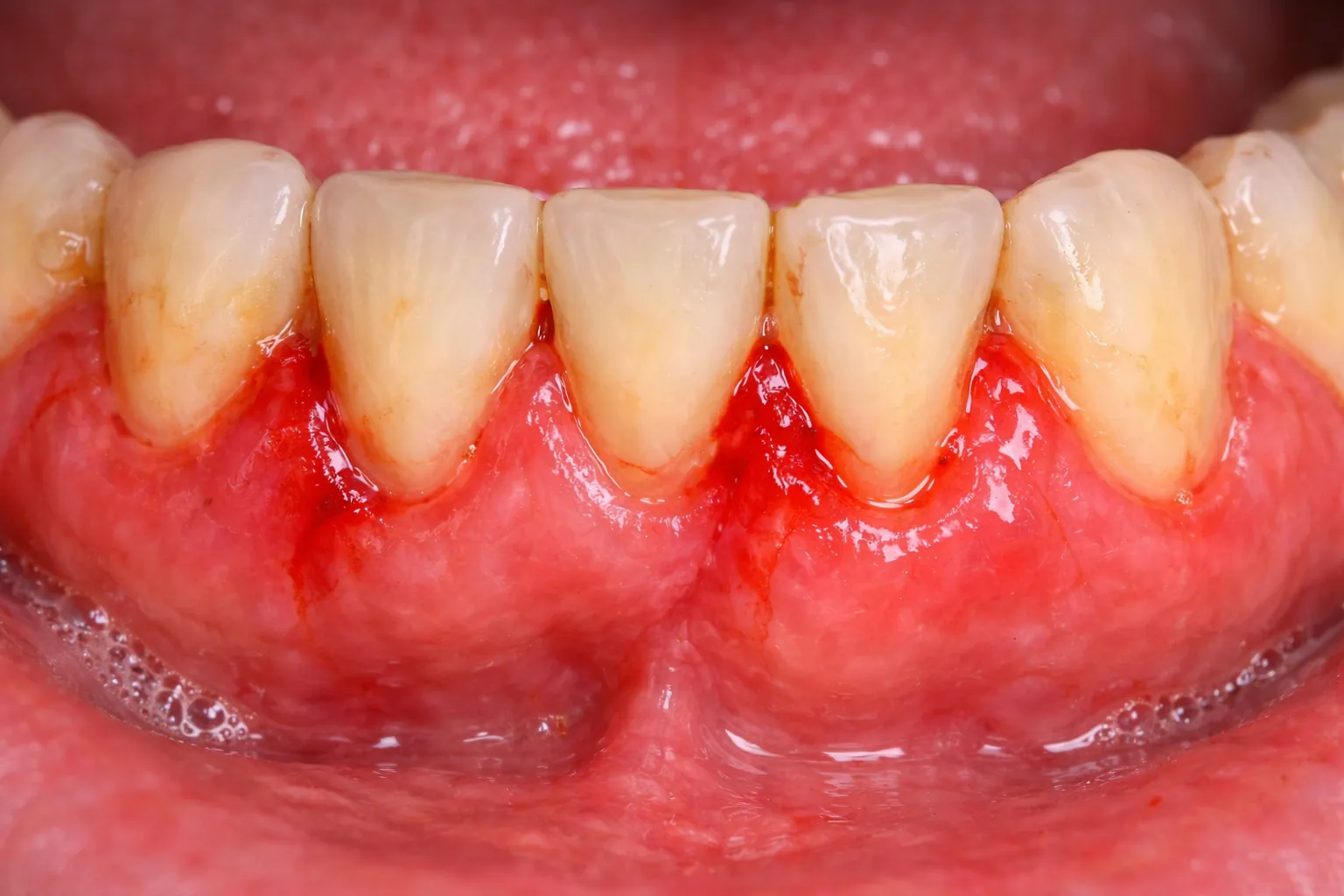
Healthy gums are one of the most important parts of implant success. If gum disease is active, it can affect the tissues and bone that support the implant. The National Institute of Dental and Craniofacial Research notes that periodontal disease can damage the soft tissue and bone that support teeth, and smoking remains a major risk factor.

This is why an implant consultation usually includes a close look at gum health before treatment starts. If gum inflammation or infection is present, your dentist may recommend periodontal treatment first. Taking care of that early helps create a healthier foundation for the implant.


What If You Have Bone Loss?


A lot of patients assume they are automatically disqualified from dental implants if they have bone loss. That is not always true. After a tooth is lost, the jawbone in that area can begin to shrink over time. However, some patients may still qualify for implants after additional planning, such as bone grafting. NIDCR notes that regenerative dental approaches include implants, bone grafts, and membranes used to repair and regenerate hard and soft tissue.

This is one reason it helps to schedule a consultation sooner rather than later. Waiting too long after tooth loss can make treatment more complex.


Medical and Lifestyle Factors to Consider


Some health and lifestyle factors can affect how well implants heal. Chronic illnesses, tobacco use, and heavy bite pressure can all affect long-term success. That said, having a medical condition does not always rule out implants. It often means your dentist will need to review your health history carefully and coordinate a treatment plan around your needs.

Common factors your dentist may review include:

• Gum health
• Bone density and bone volume
• Smoking or tobacco use
• Diabetes and other conditions that affect healing
• Teeth grinding or bite pressure
• Your ability to keep the area clean after treatment
What to Expect at Your Implant Consultation in Milpitas

Your first visit is about determining whether implants are right for you and what steps are needed first. At Milpitas Dental Group, that usually means reviewing your dental history, examining your teeth and gums, and taking imaging to evaluate bone support and spacing.

Some patients are ready for implant treatment right away. Others may need an extraction, bone graft, gum treatment, or a broader restorative plan before moving forward. Either way, the consultation gives you a clear roadmap.

Are Dental Implants Worth It?


For the right patient, dental implants can restore confidence, chewing ability, and stability in a way that removable options often cannot match. They are designed to function like natural teeth and can support long-term oral health when properly maintained. If you have been told you are not a candidate in the past, or if you are just starting to explore tooth replacement options, it is still worth getting an updated evaluation.


FAQs


How do I know if I have enough bone for dental implants?
Your dentist can determine that with an exam and imaging. Even if bone loss is present, some patients may still qualify after bone grafting.

Can smokers get dental implants?
Possibly, but smoking can affect healing and increase risk. Your dentist will discuss how tobacco use may impact treatment success.

Are implants only for people missing one tooth?
No. Implants can replace one tooth, multiple teeth, or help support certain dentures and larger restorative plans.

Does getting a dental implant hurt?
Treatment is typically planned with comfort in mind. Most patients are more concerned about recovery than the procedure itself, and your dentist will explain what to expect.


Schedule Your Dental Implant Consultation in Milpitas

If you are considering dental implants in Milpitas, the best next step is a professional evaluation. Milpitas Dental Group can help you understand whether you are a good candidate, what treatment may be needed first, and which restorative option makes the most sense for your smile. Schedule your consultation today and take the first step toward a more complete, confident smile.

Sources

https://www.mouthhealthy.org/all-topics-a-z/implants

https://www.nidcr.nih.gov/research/data-statistics/periodontal-disease/adults
https://www.nidcr.nih.gov/grants-funding/funded-research/research-investments-advances/dental-materials

30Apr 2026

What to Expect From Invisalign Treatment in Milpitas

If you have been thinking about straightening your teeth without metal braces, Invisalign may be one of the first options that comes to mind. For many teens and adults, clear aligners are appealing because they are discreet, removable, and easier to fit into daily life. The American Association of Orthodontists explains that clear aligners are thin, plastic trays made to fit your teeth and move them over time.

Still, many patients in Milpitas ask the same thing before starting: what is the process actually like? The answer depends on your teeth, bite, and goals, but most Invisalign treatment follows a similar path from consultation to final retainers.

Your First Step: The Invisalign Consultation

The process starts with a consultation to see whether Invisalign is a good fit for your smile. At this visit, your dentist or orthodontic provider will examine your teeth, discuss your concerns, and review what you want to improve. The AAO notes that orthodontic treatment is designed to improve tooth and jaw alignment while supporting both function and appearance.

Common concerns discussed at the consultation include:

  • Crooked or crowded teeth
  • Small gaps between teeth
  • Mild to moderate bite issues
  • Past orthodontic relapse
  • Whether clear aligners or another treatment is the better choice

Digital Scans and Your Treatment Plan

If you are a candidate, the next step is usually digital scanning or impressions. These records help create your custom aligners and map out how your teeth are expected to move. AAO clear aligner therapy guidance highlights how aligner therapy combines aesthetics with a more flexible daily experience.

Getting Your First Set of Aligners

When your aligners are ready, you will receive your first sets along with instructions for wear and care. Most patients are told to wear aligners around 20 to 22 hours a day, removing them only for eating, drinking anything besides water, brushing, and flossing. Consistency matters because the aligners only work when they are worn as directed.

What the first few days can feel like

Many patients notice pressure when switching to a new set of trays. That pressure is usually a sign the aligners are working. You may also notice a short adjustment period with speech or tray removal, but most people adapt quickly.

Attachments, Adjustments, and Follow-Up Visits

Some Invisalign cases involve small tooth-colored attachments bonded to certain teeth. These help the aligners grip more effectively and create more precise movement. You will also have periodic check-ins so your dentist can make sure treatment is progressing as planned. The AAO aligner guidance emphasizes that clear aligners should be professionally supervised because treatment planning, monitoring, and adjustments matter for safe and effective movement.

Daily Life With Invisalign

One reason Invisalign is popular with adults and busy families is convenience. Since aligners are removable, you can eat the foods you normally enjoy without brackets or wires getting in the way. You can also brush and floss more normally than with fixed braces. That said, convenience still comes with responsibility.

To stay on track, patients should:

  • Wear aligners for the recommended number of hours each day
  • Remove them when eating or drinking anything except water
  • Brush before putting trays back in
  • Keep aligners clean
  • Change to the next set on schedule
  • Show up for progress visits

How Long Does Invisalign Take?

Treatment time depends on the complexity of your case. Mild cosmetic corrections may take less time than more involved crowding or bite problems. Your dentist will give you a more personalized timeline at the consultation. The important thing to remember is that Invisalign is not just about getting trays. It is a treatment plan, and the outcome depends on careful monitoring, good patient compliance, and selecting the right approach from the start.

What Happens After Invisalign?

After your teeth have reached their planned positions, you will usually need retainers to help maintain your results. This is an important part of treatment. Teeth can shift over time, especially if retainers are not worn as directed. For many patients, the final stage is just as important as the active aligner stage because it protects the investment you made in your smile.

FAQs

Is Invisalign painful?

Most patients describe it as pressure rather than pain, especially when starting a new aligner set.

Can I eat with Invisalign in?

No. Aligners should be removed before eating and before drinking anything other than water.

Does Invisalign work for adults?

Yes. Many adults choose clear aligners because they are more discreet than braces.

Will I need retainers after Invisalign?

Yes, retainers are typically recommended to help keep teeth in their new positions.

Book Your Invisalign Consultation in Milpitas

If you are ready to improve your smile with a more discreet orthodontic option, Milpitas Dental Group can help you understand what to expect from Invisalign treatment in Milpitas. From your first consultation to your final retainer plan, our team can guide you through each step with clarity and convenience. Schedule your Invisalign consultation today.

Sources

30Apr 2026

When Is a Toothache an Emergency Dentist Visit in Milpitas?

A toothache is never fun, but not every toothache means you need same-day emergency dental care. Some mild discomfort can wait for a prompt regular appointment. Other symptoms should not be ignored. According to the American Dental Association, tooth pain can come from several causes, and some dental emergencies require immediate attention, especially when pain is severe, swelling is present, or trauma has occurred.

If you are dealing with tooth pain in Milpitas, here is how to tell when it may be time to seek emergency dental care.

A Toothache May Be an Emergency If You Have Swelling, Fever, or Signs of Infection

Pain by itself matters, but pain plus swelling is often more concerning. An abscessed tooth is a dental infection that may cause pain, swelling, redness, a bad taste in the mouth, and fever. MouthHealthy notes that untreated abscesses can lead to more serious infection in the surrounding tissues.

Seek urgent dental attention if you have:

  • Swelling in the gums, jaw, or face
  • Fever along with tooth pain
  • A bad taste or draining fluid in the mouth
  • Pain that feels throbbing and keeps getting worse
  • Trouble biting down because of pressure or swelling

Severe or Persistent Pain Should Not Be Ignored

If your toothache is intense, keeps you awake, or does not improve, it is a good idea to call a dentist quickly. A toothache can be caused by deep decay, infection, a cracked tooth, gum problems, or other issues that will not resolve on their own. The ADA evidence-based pain guidance emphasizes that urgent dental evaluation is often the appropriate next step when pain is coming from dental conditions rather than being managed casually at home.

Tooth Pain After an Injury Can Be an Emergency

If your toothache started after being hit in the mouth, biting something hard, or cracking a tooth, do not assume it is minor. The ADA dental emergency guidance advises getting to a dentist right away for issues like cracked teeth, broken teeth, and other traumatic dental injuries.

Call an emergency dentist in Milpitas if you have:

  • A cracked tooth with pain
  • A tooth that feels loose after injury
  • A broken tooth exposing sensitive inner structure
  • Bleeding that does not stop
  • Sudden pain when chewing after trauma

When a Toothache Might Wait a Day or Two

Not all toothaches are true emergencies. Mild sensitivity to cold, brief discomfort after eating sweets, or light irritation caused by food trapped between teeth may not require same-day treatment. The ADA recommends rinsing with warm water and gently flossing around the area to remove trapped debris when appropriate. See MouthHealthy emergency dental care tips for general first-aid guidance.

Still, “not an emergency” does not mean “ignore it.” Tooth pain is your body’s way of telling you something is wrong. If discomfort continues, schedule an exam before it turns into a bigger problem.

What You Can Do While Waiting to Be Seen

If you are waiting for an emergency dental appointment, there are a few simple steps that may help temporarily:

  • Rinsing with warm water
  • Gently flossing to remove trapped food
  • Using a cold compress on the outside of the face if swelling is present
  • Avoiding very hot, cold, or sugary foods if they worsen pain
  • Taking over-the-counter pain relief as directed, unless your doctor has told you otherwise

Avoid placing aspirin directly on the gum or tooth. That can irritate the tissue and does not fix the cause of the pain.

Why Fast Treatment Matters

A toothache can sometimes begin as a manageable issue and become much more serious if left untreated. Infection, cracked teeth, advanced decay, and inflamed dental pulp usually do not resolve without professional care. Prompt treatment can relieve pain, protect the tooth, and reduce the risk of the problem spreading.

FAQs

Is a throbbing toothache an emergency?

It can be, especially if it is severe, worsening, or comes with swelling, fever, or pressure.

Should I go to the ER for a toothache?

A dentist is usually the best first call for dental pain. However, significant facial swelling, uncontrolled bleeding, or symptoms that suggest a spreading infection may require emergency medical attention.

Can a tooth infection go away on its own?

A dental infection typically needs professional treatment and should not be ignored.

What if my tooth only hurts when I chew?

Pain when chewing can be a sign of a crack, infection, or inflammation, and it is worth having checked promptly.

Call for Emergency Dental Care in Milpitas

If you are dealing with severe tooth pain, swelling, or signs of infection, do not wait and hope it goes away. Milpitas Dental Group provides care for urgent dental concerns and can help determine whether your toothache needs immediate treatment. Call today to schedule an emergency dentist visit in Milpitas and get the relief you need.

Sources

ADA dental emergencieshttps://www.mouthhealthy.org/all-topics-a-z/dental-emergencies
ADA abscesshttps://www.mouthhealthy.org/all-topics-a-z/abscess
ADA dental emergency carehttps://www.mouthhealthy.org/dental-care/dental-emergencies
ADA pain guidancehttps://www.ada.org/resources/research/science/evidence-based-dental-research/antibiotics-for-dental-pain-and-swelling

Skip to content