1. Milpitas Dental Group

HSA FSA dental

29Dec 2025

How to Choose the Right Family Dentist in Milpitas (A Local’s Guide)

Finding a family dentist isn’t just about location—it’s about trust, access, and long-term care for every age and stage. If you live in Milpitas (or commute from San Jose, Fremont, Union City, Mountain View, Sunnyvale, or Alviso), here’s a simple framework to pick a practice you’ll stay with for the long-run.

1) Start with convenience you’ll use

The best dentist is the one you’ll see regularly. Look for:

  • Easy access to 880/237 and major surface streets
  • Parking + predictable travel time (before work, lunch, or after school)
  • Text/online scheduling and SMS reminders
  • Evening or family block appointments so multiple family members can be seen back-to-back

Tip: Ask if they can coordinate same-day cleanings for parents and kids to cut down on trips.

2) Verify true “family” coverage (all ages + common needs)

A family dentist should make it simple to get most care under one roof:

  • Preventive care: cleanings, exams, fluoride, sealants
  • Restorative: fillings, crowns, root canals, extractions as needed
  • Alignment & cosmetics: Invisalign® consultations and whitening options
  • Implants/bridges for adults and seniors
  • Pediatric-friendly care: smaller instruments, behavior-friendly pacing, nitrous if appropriate

If advanced specialty care is needed, ask how they coordinate referrals—and whether they help with records and benefits checks so you don’t start from zero.

3) Look for tech that makes visits faster and clearer

Modern tech improves comfort and helps you see what the dentist sees:

  • Digital X-rays (lower radiation, instant images)
  • Intraoral photos (see cracks, wear, or plaque)
  • Digital scanners for impressions (no goopy trays)
  • Same-day CAD/CAM options for certain crowns or restorations

4) Insurance, HSAs/FSAs, and transparent pricing

Before you fall in love with a practice, confirm:

  • They’re in-network (or help you maximize PPO out-of-network benefits)
  • Clear treatment plans with estimates before any work
  • Flexible options: HSA/FSA use, financing, and phased treatment plans if needed

Pro move: Ask for a quick benefits check while you’re on the phone—bring your insurance card and DOBs for family members.

5) Kid-friendly experience (that parents appreciate, too)

A family dentist should make visits short, calm, and positive:

  • Gentle pacing, tell-show-do, and simple explanations
  • Little comforts (music, sunglasses, blankets)
  • Desensitization visits for kids who are nervous
  • Rewards and clear at-home tips for better brushing and flossing

6) Safety and sterilization you can see

It’s okay to ask about protocols:

  • Use of barrier wraps, disposable items, and instrument autoclaving
  • Room turnover procedures and PPE standards
  • Private or semi-private treatment areas

7) Reviews that mention what you care about

Don’t just skim star ratings—look for keywords that match your needs:

  • “Good with kids,” “explains options,” “on-time,” “painless,” “helped with insurance,” “emergency visit,” “same-day appointment,” “clear prices,” “clean office.”

8) One simple test: your first cleaning & checkup

A great first visit should include:

  • Health history review + targeted X-rays
  • Gentle cleaning (with coaching, not shaming)
  • A dentist exam that shows photos/X-rays and explains any findings
  • A plan you understand: what’s urgent, what can wait, and how to prevent issues

Why Milpitas families choose Milpitas Dental Group

  • Location: 1771 N Milpitas Blvd—minutes from Great Mall and the Milpitas Transit Center (BART) with easy access to 880/237
  • Scheduling: Online booking, text reminders, and family block visits
  • Services under one roof: Cleanings, Invisalign, crowns, implants, root canals, and gentle pediatric-friendly care
  • Insurance help: Quick benefits checks, HSA/FSA welcome, and phased treatment when appropriate
  • Neighbor cities served: San Jose, Fremont, Union City, Mountain View, Sunnyvale, Alviso

Ready to meet your family’s new dentist?

Book a cleaning & checkup and bring your questions—we’ll review benefits, make a personalized plan, and keep visits efficient and comfortable.
8Nov 2025

How Are Dental Crowns Made?

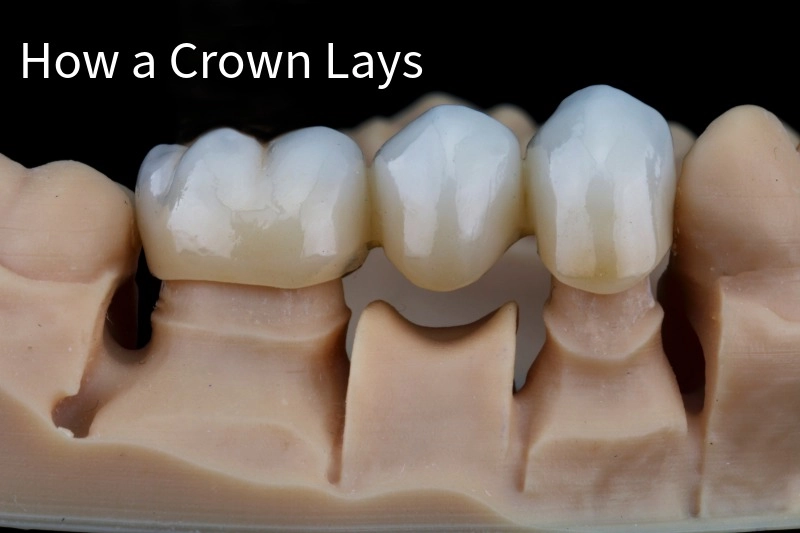
If your tooth is cracked, heavily filled, or has had a root canal, a dental crown (a custom cap covering the tooth above the gumline) can restore strength, shape, and function. Common reasons include protecting a weak/broken tooth, covering an implant, or improving appearance. MedlinePlus

At Milpitas Dental Group (1771 N Milpitas Blvd), patients from Milpitas, San Jose, Fremont, Union City, Mountain View, Sunnyvale, and Alviso choose crowns for durable, natural-looking results—minutes from Great Mall & the Milpitas Transit Center (BART).

The crown process: what actually happens

1) Numbing & tooth preparation (Visit 1)

We make you comfortable with local anesthetic, remove any decay/old materials, and shape the tooth so a crown will fit and seal properly. Most traditional crowns involve two visits with a temporary in between.

2) Impression or digital scan

We take a mold or use a digital scanner to capture a precise 3D model of your tooth and bite. Digital data can guide in-office milling for same-day crowns when appropriate. Cochrane

3) Temporary crown

You’ll leave Visit 1 with a temporary to protect the tooth; avoid very sticky or hard foods and chew on the other side until the final is placed.

4) Fabrication: lab-made or same-day

  • Lab-made: Our partner lab crafts the crown from your model; we seat it at Visit 2.

5) Try-in, bite check, cementation (Visit 2)

We verify fit and contacts, check your bite with articulating paper, make fine adjustments, and permanently cement the crown.

Crown materials (and when we use them)

Common choices include all-ceramic/porcelain, zirconia, porcelain-fused-to-metal, and full metal (e.g., gold). California patients receive the Dental Materials Fact Sheet to support an informed, shared decision. dbc.ca.gov

crown view

How long do crowns last?

Longevity varies by material, bite forces (grinding), and home care. Large systematic reviews of single-tooth crowns report high survival over 5–10+ years across metal-ceramic and all-ceramic options, with complications influenced by tooth vitality and habits like bruxism. access.archive-ouverte.unige.ch


Aftercare tips (first 24–48 hours)

  • Until numbness fades, chew on the opposite side and avoid scalding drinks.
  • With a temporary, avoid sticky/hard foods and slide floss out gently.
  • Call if your bite feels “high” or anything feels loose. (General two-visit timeline and care align with MedlinePlus.)

Insurance & payment basics

Many PPO plans classify crowns as a major service with coverage that varies by plan and annual maximum; HSAs/FSAs can help with out-of-pocket costs. (We’ll run a benefits check for your specific plan.)


Local notes for Bay Area patients

  • Easy access: Near 880/237, minutes from Great Mall & Milpitas Transit Center (BART)—good for before-work or lunch visits.
  • Neighbor cities served: San Jose, Fremont, Union City, Mountain View, Sunnyvale, Alviso.

FAQs

Does getting a crown hurt?
You’ll be numb; you may feel vibration/pressure but not sharp pain. Mild sensitivity after prep is common and fades. MedlinePlus

Which material is strongest?
Zirconia is typically chosen for high-load areas; porcelain and layered ceramics excel where esthetics matter. The California Dental Materials Fact Sheet helps frame pros/cons. dbc.ca.gov

4Nov 2025

How Do Dentists Fix Cavities? Step-by-Step Fillings in Milpitas

If you’ve been told you have a cavity, you might be wondering what actually happens during a filling. Here’s a clear, no-fluff walkthrough of the process we use at Milpitas Dental Group—what you’ll feel, how long it takes, and how to care for your tooth afterward. Patients visit us from Milpitas, San Jose, Fremont, Union City, Mountain View, Sunnyvale, and Alviso for fast, comfortable treatment close to BART and the Great Mall. Tooth decay starts when mouth bacteria make acids that weaken enamel and, if untreated, form a cavity. CDC

First: confirm the cavity

  • Digital X-rays & exam: We verify the size and location of decay (between teeth, on chewing surfaces, or near the gumline).
  • Treatment plan: We’ll discuss options—usually a tooth-colored (composite) filling; for larger decay we may suggest an inlay, onlay, or crown. (Standard treatments vary by severity.) NIDCR

Getting comfortable (numbing)

  • Topical gel: Numbs the surface so the anesthetic injection is barely noticeable.
  • Local anesthetic: Your cheek or lip may feel puffy or tingly for a couple of hours. You shouldn’t feel pain during the procedure—only gentle pressure and vibration.

Removing decay

  • Isolation: Cotton rolls or a small shield keep the area dry.
  • Gentle shaping: We remove the softened, infected enamel/dentin and shape the space so the new material bonds well. You’ll hear the handpiece, but you shouldn’t feel sharpness—just vibration.

Building your new tooth (composite filling)

  • Etch & bond: A micro-etch prepares the enamel; a bonding agent is applied so the filling fuses to your tooth.
  • Layering composite: We place tooth-colored material in layers and light-cure each one for strength; proper energy and wavelength are key for long-term performance. ADA
  • Sculpting the bite: We recreate natural grooves so the tooth looks and functions like new.

Bite check & polish

  • Articulating paper: You’ll tap and grind lightly so we can fine-tune any high spots.
  • Shine & smooth: Final polish helps resist staining and makes the restoration feel like natural enamel.

Total chair time: 30–60 minutes for most single fillings (a bit more for multiple teeth).

What will I feel afterward?

  • Numbness: Expect 1–3 hours. Avoid hot drinks and chewing your cheek/lip.
  • Mild sensitivity: Cold or pressure sensitivity can last a few days while the nerve settles—this is normal.
  • When to call us: If biting feels “off” or you get sharp zings that don’t improve within 48–72 hours, we’ll adjust your bite quickly. General after-care guidance is consistent with MedlinePlus. MedlinePlus

How long do fillings last?

Composite fillings commonly last many years with good care.

What if the cavity is large?

If decay is extensive, we may recommend:

  • Inlay/Onlay: A lab-made porcelain or composite piece for extra strength.
  • Crown: A full-coverage “cap” if the tooth is cracked or heavily restored.
  • Root canal + crown: If decay reaches the nerve and causes infection or persistent pain. (All are standard paths when a filling isn’t enough.) NIDCR

Cost, insurance & timing

  • Insurance: Most PPO plans cover a portion of fillings after your deductible.
  • HSAs/FSAs: Eligible expenses you can “cash in” before year-end.

Prevention tips (so you need fewer fillings)

  • Brush 2×/day with a fluoride toothpaste
  • Floss daily (especially those tight molar contacts)
  • Rinse after sugary snacks or coffee
  • Professional cleaning & checkup every 6 months (Milpitas, San Jose, Fremont, Union City, Mountain View, Sunnyvale, Alviso—easy access). Cavities are common but largely preventable with daily care and regular dental visits.

FAQs

Does a filling hurt?
With proper numbing, you should feel only pressure and vibration.

Can I eat after?
Once numbness wears off. If you must eat sooner, choose soft foods and chew on the opposite side.

Is tooth-colored material strong enough for molars?
Yes—modern composites are designed for chewing forces and can be used in back teeth.

Will my tooth be sensitive forever?
Sensitivity usually fades within days to a couple of weeks. If it persists, we’ll evaluate your bite or rule out deeper issues.


Ready to fix a cavity—fast?

Request an appointment or a benefits check. If you’re near the Great Mall or commuting via BART, we can often see you before/after work or during lunch.


Popular nearby searches: dentist Milpitas, cavity filling San Jose, emergency dentist Fremont, tooth pain Union City, dental clinic Mountain View, Sunnyvale dentist, Alviso dental.

Skip to content