1. Milpitas Dental Group

milpitas dentist

9Feb 2026

Coffee, Boba & Wine—Bay Area Drinks That Stain (and How to Protect Your Smile)

From Philz cold brew to weekend boba runs and Napa reds, the Bay Area runs on flavorful drinks. The trade-off? Dark pigments and acidity can leave surface stains and, with frequent sugar exposure, raise cavity risk. You don’t have to quit your favorites—just use smarter habits. This guide is tailored for Milpitas, with care for commuters from San Jose, Fremont, Union City, Mountain View, Sunnyvale, and Alviso.

Why these drinks change tooth color

Staining happens mostly on the enamel surface. Dark beverages carry chromogens (pigments) and polyphenols like tannins that bind to the tooth’s pellicle. Research testing tannic-acid solutions at red-wine–like concentrations shows contact time increases enamel staining and surface changes—one reason tea/wine can tint teeth faster than you’d expect.

Acidity adds fuel to the fire. Low-pH drinks (many sparkling teas, sodas, wines, kombucha) can soften enamel for a short window, making pigments stick more easily and nudging surface wear over time. Recent lab work measuring enamel roughness after exposure to everyday acidic beverages confirms that repeated acid hits change the surface, which can amplify stain pickup.

Where boba fits in

Classic milk tea with pearls often contains high added sugars. Frequent sipping keeps sugar in contact with teeth, feeding cavity-causing bacteria. A 2020 systematic review and meta-analysis found sugar-sweetened beverage intake is associated with higher risk of dental caries and erosion in both kids and adults—pattern matters as much as volume.

Everyday strategies that really work

  • Rinse, then wait to brush. After a staining or acidic drink, swish with water. Brush ~30 minutes later so you’re not scrubbing temporarily softened enamel.
  • Use a straw for iced drinks. Aim the stream past front teeth for iced coffee or milk tea.
  • Time your sips. It’s better to finish a drink within 15–30 minutes than to nurse it for hours; less total “acid/sugar contact time” means less risk.
  • Pair with enamel-friendly snacks. Nuts, cheese, and yogurt during wine tastings can help buffer acids and stimulate saliva.
  • Upgrade your routine. Use fluoride toothpaste twice daily to strengthen enamel; a gentle whitening toothpaste helps lift surface stain between cleanings.
  • Mind the mix-ins. Ask for “less sweet,” cut syrups, or choose unsweetened tea. Consider fewer pearls (they cling to molars) and avoid sticky add-ons like brown-sugar syrup.

Whitening options that fit Bay Area life

  • Pro cleanings every 6 months clear plaque and much surface stain fast.
  • Custom take-home trays let you brighten gradually around work or school.
  • In-office whitening is the quickest route before events or photos.
    Real talk: daily coffee/tea drinkers do best with a maintained natural shade rather than chasing an ultra-white tone once.

If you love red wine

Alternate sips with water, snack on cheese or almonds, and skip immediate brushing after tastings. At home, a whitening pen can spot-treat along the gumline before your next full touch-up.

For parents & teens

Boba can be a treat—but turn it into a mealtime drink, not an all-day sip. Keep a water bottle handy, and make post-snack xylitol gum/mints or a quick water rinse the default. If your teen is in aligners, remind them to remove/clean trays before colored drinks.

Local, practical care

At Milpitas Dental Group (1771 N Milpitas Blvd) we build stain-control plans around your actual routine—coffee at 7 a.m., boba at 3 p.m., wine on weekends. We serve Milpitas, San Jose, Fremont, Union City, Mountain View, Sunnyvale, and Alviso—minutes from Great Mall and the Milpitas Transit Center (BART) with easy 880/237 access.

Ready to refresh your shade? Book a cleaning & checkup, then ask about take-home trays vs. in-office whitening based on how often you sip. Call us: (408) 719-9340
30Dec 2025

What’s the Difference Between Plaque and Tartar? (And How to Stop Both)

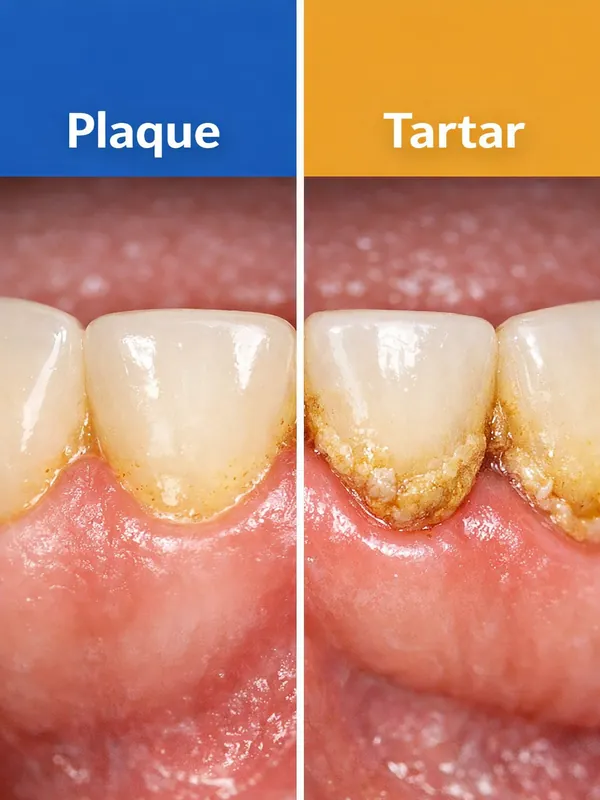
If you’ve ever left the dentist with that smooth, squeaky-clean feel, you’ve felt the difference between a tooth with plaque vs. one that’s been cleared of tartar. Here’s the plain-English breakdown and how to keep buildup from turning into bigger (and more expensive) problems.

Plaque: Soft, Sticky, Constant

What it is: A thin film of bacteria + food acids that forms all day, every day.
How it feels/looks: Slippery or “fuzzy” by night; usually colorless or pale yellow.
Why it matters: The bacteria in plaque feed on sugars and release acids that weaken enamel and irritate gums.

Good news: Plaque is removable at home with solid brushing, flossing, and rinsing.

Daily wins to remove plaque

  • Brush 2×/day for 2 minutes with fluoride toothpaste
  • Floss once daily (or use water flossers/interdental brushes)
  • Rinse after sugary/sticky snacks; sip water often
  • Replace your brush head every 3 months (or sooner if bristles fray)

Tartar (Calculus): Hard, Stubborn, and Stuck

What it is: Hardened plaque. Minerals in your saliva can turn plaque into tartar in as little as 24–72 hours—especially along the gumline and between teeth.
How it feels/looks: Rough, crusty deposits (often yellow or brown) that trap more plaque and stain easily.
Why it matters: Tartar keeps bacteria glued to the tooth and gumline, increasing the risk of cavities, bleeding gums, gum disease, and bad breath.

Important: Once plaque hardens into tartar, you can’t remove it at home—it must be gently scaled off by a dental hygienist with professional instruments.

Plaque vs. Tartar: Quick Comparison

  • Texture
    • Plaque: soft, sticky → removable with home care
    • Tartar: hard, cement-like → professional removal only
  • Speed
    • Plaque forms every day
    • Tartar can form in 24–72 hours if plaque sits
  • Risk
    • Plaque: early enamel wear, gum irritation
    • Tartar: ongoing inflammation, gum disease, bone loss

How We Treat It at Milpitas Dental Group

  • Professional cleaning (prophy): Removes plaque, stains, and tartar above the gumline; polishes to a smooth finish that resists buildup.
  • Periodontal therapy (deep cleaning): When tartar and inflammation extend below the gumline, we perform scaling and root planing to clear deposits and calm the gums.
  • Personalized prevention plan: Fluoride, sealants (for kids and cavity-prone adults), sensitivity care, and home-care coaching.

FAQs: Plaque, Tartar, and Cleanings

Can I remove tartar myself?
No. Tartar is mineralized and too hard for brushing or flossing to dislodge. DIY scraping can damage enamel and gums. A hygienist removes it safely with professional tools.

Does tartar cause bad breath?
Often, yes. Tartar traps plaque and food particles, which can lead to persistent halitosis. Cleanings + good home care usually improve breath quickly.

Why do I build tartar so fast?
Everyone’s saliva chemistry is different. Tight tooth spacing, orthodontic wires, dry mouth, and diets high in sugary/sticky snacks all increase buildup. We can tailor a plan (e.g., 3–4 month cleanings, targeted tools) if you’re a “fast builder.”

What’s the best toothpaste or mouthwash to prevent tartar?
Use a fluoride toothpaste twice daily and any alcohol-free rinse you’ll use. If your gums are inflamed or you’re high-risk, we may recommend a prescription-strength rinse or toothpaste.

Electric brush or manual?
An electric brush with a 2-minute timer and pressure sensor helps most people remove more plaque with less effort—but good technique wins either way.

How often should I get a cleaning?
Most healthy patients: every 6 months. If you build tartar quickly or have a history of gum disease, every 3–4 months is smarter.

Do kids get tartar, too?
Yes—especially around molars and retainers. Regular cleanings, sealants, and brushing help keep it away.

Your Local Smile Team in the South Bay

If you live in Milpitas, San Jose, Fremont, Union City, Mountain View, Sunnyvale, or Alviso, we’d love to help you keep plaque away and stop tartar from forming. A quick visit can mean fewer cavities, healthier gums, and fresher breath—all year long.

Call (408) 719-9340 or book at milpitasdentalgroup.com.

29Dec 2025

How to Choose the Right Family Dentist in Milpitas (A Local’s Guide)

Finding a family dentist isn’t just about location—it’s about trust, access, and long-term care for every age and stage. If you live in Milpitas (or commute from San Jose, Fremont, Union City, Mountain View, Sunnyvale, or Alviso), here’s a simple framework to pick a practice you’ll stay with for the long-run.

1) Start with convenience you’ll use

The best dentist is the one you’ll see regularly. Look for:

  • Easy access to 880/237 and major surface streets
  • Parking + predictable travel time (before work, lunch, or after school)
  • Text/online scheduling and SMS reminders
  • Evening or family block appointments so multiple family members can be seen back-to-back

Tip: Ask if they can coordinate same-day cleanings for parents and kids to cut down on trips.

2) Verify true “family” coverage (all ages + common needs)

A family dentist should make it simple to get most care under one roof:

  • Preventive care: cleanings, exams, fluoride, sealants
  • Restorative: fillings, crowns, root canals, extractions as needed
  • Alignment & cosmetics: Invisalign® consultations and whitening options
  • Implants/bridges for adults and seniors
  • Pediatric-friendly care: smaller instruments, behavior-friendly pacing, nitrous if appropriate

If advanced specialty care is needed, ask how they coordinate referrals—and whether they help with records and benefits checks so you don’t start from zero.

3) Look for tech that makes visits faster and clearer

Modern tech improves comfort and helps you see what the dentist sees:

  • Digital X-rays (lower radiation, instant images)
  • Intraoral photos (see cracks, wear, or plaque)
  • Digital scanners for impressions (no goopy trays)
  • Same-day CAD/CAM options for certain crowns or restorations

4) Insurance, HSAs/FSAs, and transparent pricing

Before you fall in love with a practice, confirm:

  • They’re in-network (or help you maximize PPO out-of-network benefits)
  • Clear treatment plans with estimates before any work
  • Flexible options: HSA/FSA use, financing, and phased treatment plans if needed

Pro move: Ask for a quick benefits check while you’re on the phone—bring your insurance card and DOBs for family members.

5) Kid-friendly experience (that parents appreciate, too)

A family dentist should make visits short, calm, and positive:

  • Gentle pacing, tell-show-do, and simple explanations
  • Little comforts (music, sunglasses, blankets)
  • Desensitization visits for kids who are nervous
  • Rewards and clear at-home tips for better brushing and flossing

6) Safety and sterilization you can see

It’s okay to ask about protocols:

  • Use of barrier wraps, disposable items, and instrument autoclaving
  • Room turnover procedures and PPE standards
  • Private or semi-private treatment areas

7) Reviews that mention what you care about

Don’t just skim star ratings—look for keywords that match your needs:

  • “Good with kids,” “explains options,” “on-time,” “painless,” “helped with insurance,” “emergency visit,” “same-day appointment,” “clear prices,” “clean office.”

8) One simple test: your first cleaning & checkup

A great first visit should include:

  • Health history review + targeted X-rays
  • Gentle cleaning (with coaching, not shaming)
  • A dentist exam that shows photos/X-rays and explains any findings
  • A plan you understand: what’s urgent, what can wait, and how to prevent issues

Why Milpitas families choose Milpitas Dental Group

  • Location: 1771 N Milpitas Blvd—minutes from Great Mall and the Milpitas Transit Center (BART) with easy access to 880/237
  • Scheduling: Online booking, text reminders, and family block visits
  • Services under one roof: Cleanings, Invisalign, crowns, implants, root canals, and gentle pediatric-friendly care
  • Insurance help: Quick benefits checks, HSA/FSA welcome, and phased treatment when appropriate
  • Neighbor cities served: San Jose, Fremont, Union City, Mountain View, Sunnyvale, Alviso

Ready to meet your family’s new dentist?

Book a cleaning & checkup and bring your questions—we’ll review benefits, make a personalized plan, and keep visits efficient and comfortable.

8Nov 2025

How Are Dental Crowns Made?

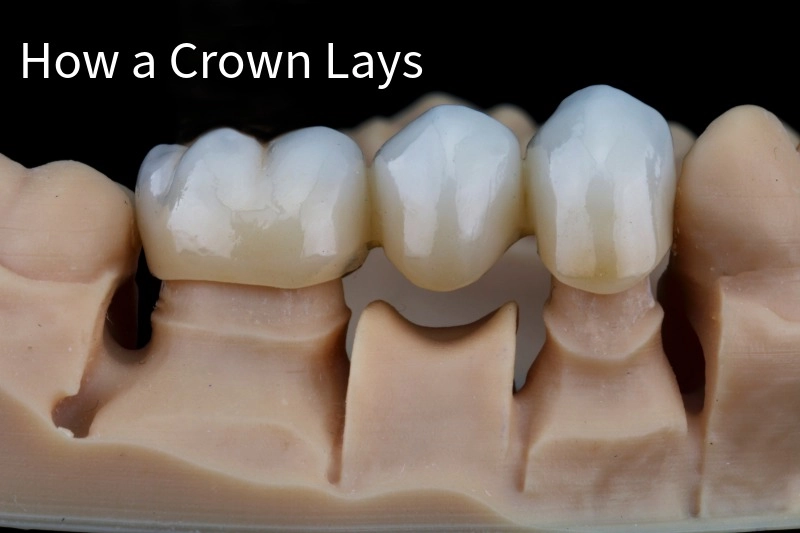
If your tooth is cracked, heavily filled, or has had a root canal, a dental crown (a custom cap covering the tooth above the gumline) can restore strength, shape, and function. Common reasons include protecting a weak/broken tooth, covering an implant, or improving appearance. MedlinePlus

At Milpitas Dental Group (1771 N Milpitas Blvd), patients from Milpitas, San Jose, Fremont, Union City, Mountain View, Sunnyvale, and Alviso choose crowns for durable, natural-looking results—minutes from Great Mall & the Milpitas Transit Center (BART).

The crown process: what actually happens

1) Numbing & tooth preparation (Visit 1)

We make you comfortable with local anesthetic, remove any decay/old materials, and shape the tooth so a crown will fit and seal properly. Most traditional crowns involve two visits with a temporary in between.

2) Impression or digital scan

We take a mold or use a digital scanner to capture a precise 3D model of your tooth and bite. Digital data can guide in-office milling for same-day crowns when appropriate. Cochrane

3) Temporary crown

You’ll leave Visit 1 with a temporary to protect the tooth; avoid very sticky or hard foods and chew on the other side until the final is placed.

4) Fabrication: lab-made or same-day

  • Lab-made: Our partner lab crafts the crown from your model; we seat it at Visit 2.

5) Try-in, bite check, cementation (Visit 2)

We verify fit and contacts, check your bite with articulating paper, make fine adjustments, and permanently cement the crown.

Crown materials (and when we use them)

Common choices include all-ceramic/porcelain, zirconia, porcelain-fused-to-metal, and full metal (e.g., gold). California patients receive the Dental Materials Fact Sheet to support an informed, shared decision. dbc.ca.gov

crown view

How long do crowns last?

Longevity varies by material, bite forces (grinding), and home care. Large systematic reviews of single-tooth crowns report high survival over 5–10+ years across metal-ceramic and all-ceramic options, with complications influenced by tooth vitality and habits like bruxism. access.archive-ouverte.unige.ch


Aftercare tips (first 24–48 hours)

  • Until numbness fades, chew on the opposite side and avoid scalding drinks.
  • With a temporary, avoid sticky/hard foods and slide floss out gently.
  • Call if your bite feels “high” or anything feels loose. (General two-visit timeline and care align with MedlinePlus.)

Insurance & payment basics

Many PPO plans classify crowns as a major service with coverage that varies by plan and annual maximum; HSAs/FSAs can help with out-of-pocket costs. (We’ll run a benefits check for your specific plan.)


Local notes for Bay Area patients

  • Easy access: Near 880/237, minutes from Great Mall & Milpitas Transit Center (BART)—good for before-work or lunch visits.
  • Neighbor cities served: San Jose, Fremont, Union City, Mountain View, Sunnyvale, Alviso.

FAQs

Does getting a crown hurt?
You’ll be numb; you may feel vibration/pressure but not sharp pain. Mild sensitivity after prep is common and fades. MedlinePlus

Which material is strongest?
Zirconia is typically chosen for high-load areas; porcelain and layered ceramics excel where esthetics matter. The California Dental Materials Fact Sheet helps frame pros/cons. dbc.ca.gov

4Nov 2025

How Do Dentists Fix Cavities? Step-by-Step Fillings in Milpitas

If you’ve been told you have a cavity, you might be wondering what actually happens during a filling. Here’s a clear, no-fluff walkthrough of the process we use at Milpitas Dental Group—what you’ll feel, how long it takes, and how to care for your tooth afterward. Patients visit us from Milpitas, San Jose, Fremont, Union City, Mountain View, Sunnyvale, and Alviso for fast, comfortable treatment close to BART and the Great Mall. Tooth decay starts when mouth bacteria make acids that weaken enamel and, if untreated, form a cavity. CDC

First: confirm the cavity

  • Digital X-rays & exam: We verify the size and location of decay (between teeth, on chewing surfaces, or near the gumline).
  • Treatment plan: We’ll discuss options—usually a tooth-colored (composite) filling; for larger decay we may suggest an inlay, onlay, or crown. (Standard treatments vary by severity.) NIDCR

Getting comfortable (numbing)

  • Topical gel: Numbs the surface so the anesthetic injection is barely noticeable.
  • Local anesthetic: Your cheek or lip may feel puffy or tingly for a couple of hours. You shouldn’t feel pain during the procedure—only gentle pressure and vibration.

Removing decay

  • Isolation: Cotton rolls or a small shield keep the area dry.
  • Gentle shaping: We remove the softened, infected enamel/dentin and shape the space so the new material bonds well. You’ll hear the handpiece, but you shouldn’t feel sharpness—just vibration.

Building your new tooth (composite filling)

  • Etch & bond: A micro-etch prepares the enamel; a bonding agent is applied so the filling fuses to your tooth.
  • Layering composite: We place tooth-colored material in layers and light-cure each one for strength; proper energy and wavelength are key for long-term performance. ADA
  • Sculpting the bite: We recreate natural grooves so the tooth looks and functions like new.

Bite check & polish

  • Articulating paper: You’ll tap and grind lightly so we can fine-tune any high spots.
  • Shine & smooth: Final polish helps resist staining and makes the restoration feel like natural enamel.

Total chair time: 30–60 minutes for most single fillings (a bit more for multiple teeth).

What will I feel afterward?

  • Numbness: Expect 1–3 hours. Avoid hot drinks and chewing your cheek/lip.
  • Mild sensitivity: Cold or pressure sensitivity can last a few days while the nerve settles—this is normal.
  • When to call us: If biting feels “off” or you get sharp zings that don’t improve within 48–72 hours, we’ll adjust your bite quickly. General after-care guidance is consistent with MedlinePlus. MedlinePlus

How long do fillings last?

Composite fillings commonly last many years with good care.

What if the cavity is large?

If decay is extensive, we may recommend:

  • Inlay/Onlay: A lab-made porcelain or composite piece for extra strength.
  • Crown: A full-coverage “cap” if the tooth is cracked or heavily restored.
  • Root canal + crown: If decay reaches the nerve and causes infection or persistent pain. (All are standard paths when a filling isn’t enough.) NIDCR

Cost, insurance & timing

  • Insurance: Most PPO plans cover a portion of fillings after your deductible.
  • HSAs/FSAs: Eligible expenses you can “cash in” before year-end.

Prevention tips (so you need fewer fillings)

  • Brush 2×/day with a fluoride toothpaste
  • Floss daily (especially those tight molar contacts)
  • Rinse after sugary snacks or coffee
  • Professional cleaning & checkup every 6 months (Milpitas, San Jose, Fremont, Union City, Mountain View, Sunnyvale, Alviso—easy access). Cavities are common but largely preventable with daily care and regular dental visits.

FAQs

Does a filling hurt?
With proper numbing, you should feel only pressure and vibration.

Can I eat after?
Once numbness wears off. If you must eat sooner, choose soft foods and chew on the opposite side.

Is tooth-colored material strong enough for molars?
Yes—modern composites are designed for chewing forces and can be used in back teeth.

Will my tooth be sensitive forever?
Sensitivity usually fades within days to a couple of weeks. If it persists, we’ll evaluate your bite or rule out deeper issues.


Ready to fix a cavity—fast?

Request an appointment or a benefits check. If you’re near the Great Mall or commuting via BART, we can often see you before/after work or during lunch.


Popular nearby searches: dentist Milpitas, cavity filling San Jose, emergency dentist Fremont, tooth pain Union City, dental clinic Mountain View, Sunnyvale dentist, Alviso dental.

15Sep 2025

Back-to-School Smiles: Checkups & Sports Mouthguards for Milpitas Families

As fall sports kick off across Milpitas Unified, Fremont Unified, and North San Jose, it’s the perfect time to book your child’s dental checkup and get fitted for a sports mouthguard. Routine exams and cleanings help spot early signs of decay and strengthen enamel with fluoride—key protection during a busy school season with on-the-go snacks and sports drinks. Cavities form when oral bacteria feed on sugars and release acids that weaken enamel, which is why consistent preventive care matters. CDC

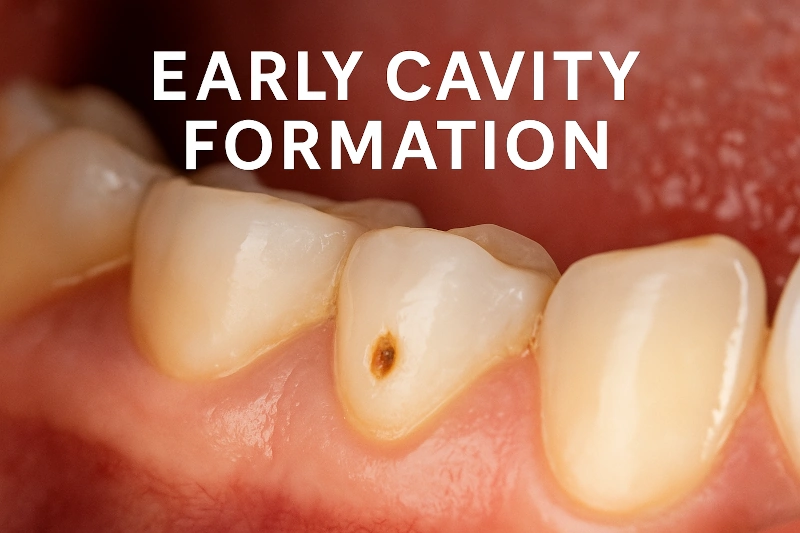
Close-up of teeth showing early cavity formation with text overlay “EARLY CAVITY FORMATION.”

For athletes in football, water polo, volleyball, and basketball, custom mouthguards are a smart upgrade over boil-and-bite options. Research shows mouthguards reduce dental and orofacial injuries in contact and collision sports; well-fitted guards distribute impact forces and protect teeth, lips, and jaws. NZDA Assets The American Academy of Pediatrics also advises parents that mouthguards help prevent dental emergencies—especially for sports with player contact or fast-moving equipment. HealthyChildren.org

What about performance and comfort? Modern custom mouthguards use precise impressions for a slimmer profile that stays put—so kids can breathe, speak, and hydrate without constantly removing them. Reviews of current evidence note protection benefits are clear, while performance “boost” claims remain unproven.

Pro tips for San Jose–area parents:

  • Schedule cleanings and exam updates now—before practices and games fill your calendar in Sunnyvale, Mountain View, and Union City.
  • Ask for a custom mouthguard if your child wears braces; it can be designed to protect appliances and soft tissue.
  • Replace a mouthguard each season or sooner if it’s damaged or outgrown.
  • Rinse with water after sports drinks and wait 30 minutes before brushing to avoid scrubbing softened enamel. NHS guidance supports a 30-minute window after acidic drinks/foods. NHS Lancashire

Call us for Kid’s Dental Care in the Milpitas Area

From Alviso club teams to Fremont rec leagues, a small investment in preventive care and a quality mouthguard can save your family from costly, painful dental injuries—and keep your student athlete on the field with a confident smile. If you live or play anywhere along the I-880 and 237 corridors (Milpitas, North San Jose, Fremont, Sunnyvale, Mountain View, Union City, Alviso), we’re nearby and ready to help.

13Aug 2025

Teeth Grinding in Tech: Stress-Related Dental Damage in Silicon Valley

Silicon Valley is known for its innovation, hustle, and long hours. But behind the scenes of coding marathons and product launches, there’s a dental issue quietly affecting thousands of tech professionals: teeth grinding, or bruxism.

While teeth grinding can happen during the day or night, it’s most commonly associated with sleep and high stress levels. According to the American Dental Association (ADA), up to 15% of Americans suffer from nighttime bruxism—and that number is often higher in high-pressure professions like tech.

The Tech-Stress Connection

The demands of the tech industry often come with tight deadlines, screen fatigue, late-night caffeine, and work-from-home ergonomics that aren’t ideal. Combined, these stressors can lead to subconscious habits like clenching or grinding teeth.

According to the American Academy of Sleep Medicine, stress is a common contributing factor to sleep bruxism.

A 2020 survey by the ADA found a 71% increase in stress-related oral health problems, including teeth grinding, during the COVID-19 pandemic—a trend that continues in high-stress sectors like software and startups.

Signs You Might Be Grinding Your Teeth

Many tech professionals aren’t even aware they grind their teeth until a dental exam reveals the damage. Common signs include:

  • Frequent headaches or tension in the temples
  • Jaw soreness or tightness, especially in the morning
  • Worn-down, chipped, or flattened teeth
  • Cracked dental work or crowns
  • Sleep disruption or jaw clicking

If you’re waking up with headaches or jaw pain, you may be grinding at night without realizing it.

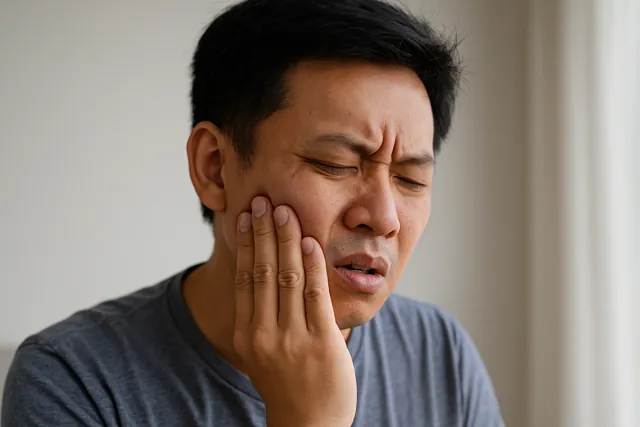
jaw soreness

The Long-Term Consequences

If left untreated, bruxism can lead to serious dental damage. Chronic grinding can wear down enamel, fracture teeth, loosen fillings, and contribute to gum recession. It also puts a strain on the temporomandibular joint (TMJ), potentially leading to chronic jaw disorders.

For professionals in high-performing fields like software engineering or management, this damage can lead to expensive restorative work — not to mention missed workdays from migraines or dental procedures.

How a Night Guard Can Help

A custom-fitted night guard from your dentist is one of the most effective ways to protect your teeth while you sleep. It acts as a cushion between your upper and lower teeth, preventing the pressure and friction that cause damage.

Unlike over-the-counter versions, a custom guard fits your mouth precisely and is made from durable material designed for long-term use. Many patients report a dramatic decrease in jaw pain and better sleep quality after just a few nights of wearing one.

Stress Reduction Matters, Too

Addressing the root cause is just as important. Practicing stress management techniques such as mindfulness, better posture at your desk, screen breaks, and regular exercise can help reduce grinding intensity over time.

Serving the Tech Community from Milpitas

At Milpitas Dental Group, we frequently see patients from nearby tech hubs like San Jose, Mountain View, Sunnyvale, and Fremont who come in with signs of bruxism. Our team offers comprehensive exams, custom night guards, and restorative care to protect and repair your smile.

Don’t wait until the damage is done. If you’re experiencing jaw pain, tension headaches, or worn teeth, we can help.

Book Your Bruxism Evaluation Today

Protect your smile from the stress of Silicon Valley. Schedule your consultation with Milpitas Dental Group today. We’re here to help you find relief, sleep better, and stop grinding for good.

13Aug 2025

Back-to-School Dental Tips for Milpitas Families: Start the Year with a Healthy Smile

Backpacks are packed, lunchboxes are ready, and schedules are filling up fast — but have you scheduled your child’s back-to-school dental visit?

At Milpitas Dental Group, we know that the start of the school year is the perfect time to refresh healthy habits and set kids up for a year of confident smiles. Whether you live in Milpitas, San Jose, Fremont, Union City, Sunnyvale, Mountain View, or Alviso, these tips will help keep your family’s teeth in top shape all year long.

1. Schedule Dental Cleanings Before the School Rush

Once school starts, evenings fill with homework, sports, and activities. Booking your child’s dental cleaning now ensures they start the year with a healthy smile — and avoids the challenge of squeezing in appointments later.

Regular cleanings help prevent cavities, remove plaque buildup, and catch small problems before they turn into bigger (and more expensive) ones. If you haven’t scheduled yet, we have convenient appointment times for families in Milpitas and surrounding Bay Area cities.

2. Pack Tooth-Friendly Snacks & Drinks

What your child eats during the day plays a big role in their oral health. Sugary snacks and drinks feed cavity-causing bacteria, while healthy choices help protect teeth.

Great lunchbox options include:

  • Fresh fruit like apple slices, grapes, or berries
  • Cheese sticks or cubes
  • Nuts or trail mix (if allowed at school)
  • Water instead of juice or soda

Tip: Fremont and San Jose farmers’ markets are a great source for fresh, local produce — and a fun way to get kids excited about healthy eating.

3. Protect Smiles with Sports Mouthguards

If your child plays soccer, football, basketball, or other contact sports, a custom-fitted mouthguard is a must. AFP (American Academy of Family Physicians) reports: “According to the ADA, athletes are 60 times more likely to suffer harm to their teeth when not wearing a mouth guard.”

We make custom mouthguards right here in Milpitas for a comfortable fit that offers better protection than store-bought versions.

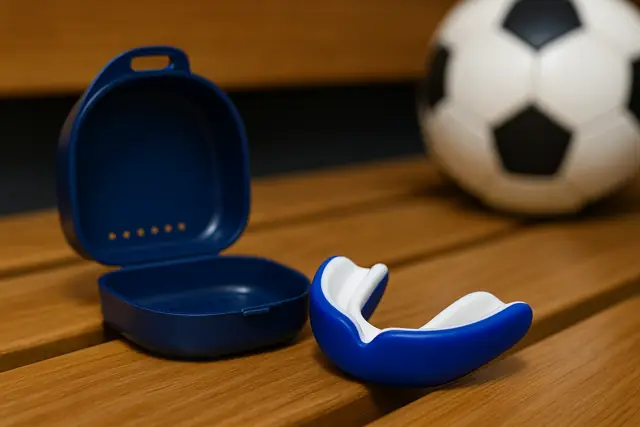
Mouthguard for dental protection at Milpitas dentist

4. Keep Morning & Evening Routines Consistent

Busy school mornings can make it tempting to rush through brushing — or skip it altogether. But brushing for two minutes twice a day and flossing once a day are essential for keeping teeth healthy.

For younger children, use a fun timer or play a song to make brushing more enjoyable. Teens may benefit from an electric toothbrush to improve cleaning efficiency.

Mom and daughter brushing teeth

5. Use Your Dental Benefits Before They Expire

Many dental insurance plans reset in January, meaning unused benefits are lost. Fall is a smart time to schedule any needed fillings, sealants, or crowns so you can use your benefits before the end of the year.

This also ensures your child’s smile is ready for school pictures, holiday events, and family gatherings.

6. Set the Example

Kids are more likely to follow healthy habits if they see their parents doing the same. Book your own dental cleaning alongside your child’s appointment — it’s a time-saver and shows them oral health is a priority for the whole family.

Start the School Year with Confidence

A healthy smile can boost your child’s confidence, help them focus in class, and set the tone for a great year ahead.

At Milpitas Dental Group, we’re proud to serve families from Milpitas, San Jose, Fremont, Union City, Sunnyvale, Mountain View, and Alviso. Whether it’s a routine cleaning, a sports mouthguard, or back-to-school exam, we’re here to keep smiles healthy year-round.

📅 Call us today to schedule your family’s back-to-school dental appointments!

4Jun 2025

Get Your Smile Summer-Ready: Top Cosmetic Dental Treatments for June Events

With summer just around the corner, it’s the perfect time to invest in your smile. Whether you’re attending a graduation, walking down the aisle, heading out on vacation, or simply gearing up for more sun-filled selfies, a confident smile can make all the difference. At Milpitas Dental Group, we offer cosmetic dental treatments that deliver real results — and just in time for your big summer moments.

We proudly serve patients from Milpitas, San Jose, Fremont, Union City, Mountain View, Sunnyvale, and Alviso who are looking to enhance their smiles quickly and comfortably.

✨ In-Office Teeth Whitening for Fast Results

If your smile needs a quick refresh, our professional in-office teeth whitening treatment can brighten your teeth by several shades in just one visit. Unlike store-bought products, our advanced system is safe, fast, and overseen by experienced dental professionals.

This is a popular choice for patients coming from San Jose, Fremont, and Union City who want to brighten up before:

  • Weddings and engagement photos
  • Graduation ceremonies
  • Summer vacations
  • Family portraits
bride smiles

😁 Fix Chips, Gaps, and Discoloration with Dental Bonding

Got a small chip or gap that keeps showing up in photos? Dental bonding is a simple, budget-friendly fix. In just one appointment, we can apply a tooth-colored resin to reshape or enhance your teeth — no downtime needed. Many patients from Sunnyvale and Mountain View choose bonding as a fast way to feel more confident in their smile.


🦷 Transform Your Smile with Porcelain Veneers

For a more dramatic change, porcelain veneers offer a stunning upgrade. These thin, custom-made shells cover the front surface of your teeth to correct:

  • Deep discoloration
  • Gaps and uneven spacing
  • Worn down or misshapen teeth

Veneers are a great option for busy professionals and event-goers in Alviso, Fremont, and Milpitas who want a red-carpet-ready smile.


😬 Start Invisalign® Now and See Results by Fall

While Invisalign® doesn’t offer instant results, starting in May or June gives you a head start for straighter teeth by the holidays. Clear aligners are discreet, removable, and perfect for patients across San Jose, Milpitas, and Union City who want to improve their smile without traditional braces.


📅 Why May and June Are Ideal for Cosmetic Dentistry

  • Flexible scheduling while school is out
  • Plenty of time before summer weddings, reunions, and trips
  • Mid-year insurance reviews may allow for cosmetic consultations
  • Get confident before all the beach and BBQ photos

🌞 Proud to Serve the Bay Area with a Smile

Whether you’re in Milpitas, San Jose, Fremont, Union City, Mountain View, Sunnyvale, or Alviso, we’re here to help you love your smile. Let us know your summer plans — and we’ll help you shine in every photo.

Call today to schedule your cosmetic dentistry consultation!

19Mar 2025

Spring into a Healthier, Brighter Smile: Embrace Preventative and Cosmetic Dental Care in Milpitas, California

Spring symbolizes renewal, making it the perfect time to rejuvenate your oral health and enhance your smile. Whether you’re preparing for a vacation, special celebration, or simply prioritizing your health, now is the perfect time to invest in a brighter, healthier smile. Start the season with confidence by refreshing your oral care routine or exploring cosmetic enhancements!

For residents of Milpitas, California, and surrounding areas, this season offers an excellent opportunity to prioritize both preventative and cosmetic dental procedures for the entire family.​

The Importance of Preventative Dental Care

Regular dental check-ups and cleanings are fundamental to maintaining optimal oral health. They help in early detection and prevention of dental issues such as cavities and gum disease. In California, a significant concern is that 61% of third-grade children have experienced tooth decay, highlighting the need for consistent dental care from an early age.

Preventative Care Tips:

For Children: Schedule bi-annual dental visits to monitor growth and promptly address any emerging issues.​

For Adults: Regular cleanings and examinations can prevent complex procedures in the future, saving time and resources.​

Enhancing Your Smile with Cosmetic Dentistry

Santa Clarita cosmetic dentist

Advancements in cosmetic dentistry have made achieving a radiant smile more accessible. Current trends include:​

Invisalign Clear Aligners: A discreet and effective method to straighten teeth without traditional braces. Invisalign aligners are made from SmartTrack material, offering a more comfortable fit and predictable tooth movements. ​

Minimally Invasive Procedures: Techniques such as no-prep veneers and laser dentistry offer aesthetic improvements with reduced discomfort and recovery time.​

Benefits of Cosmetic Dentistry:

Increased Confidence: A beautiful smile can significantly boost self-esteem.​ Research shows that dental aesthetics play a key role in self-confidence, with individuals who are satisfied with their smiles experiencing greater social and psychological well-being. A healthy, radiant smile not only enhances appearance but also boosts dental self-confidence, leading to a more positive self-image and greater comfort in social interactions.

Improved Oral Function: Procedures like aligners not only enhance appearance but also correct bite issues, promoting better oral health.​

Tailored Dental Care for Milpitas Residents

For those in Milpitas and neighboring communities, our dental practice offers comprehensive services that cater to both preventative and cosmetic needs. We understand the unique concerns of our community and strive to provide personalized care that aligns with the latest dental trends.​

family dentist Milpitas

Why Choose Us?

Expertise: Our team stays updated with ongoing education to bring you the best in dental care.​

Advanced Technology: We utilize state-of-the-art equipment to ensure precise and comfortable treatments.​

Patient-Centric Approach: Your comfort and satisfaction are our top priorities.​

Schedule Your Spring Dental Appointment Today

Embrace the spirit of spring by investing in your oral health and the beauty of your smile. Whether it’s a routine check-up for your child or a cosmetic consultation for yourself, we’re here to assist you on your journey to optimal dental health. Contact us at (408) 719-9340

Skip to content