1. Milpitas Dental Group

San Jose dentist

8Nov 2025

How Are Dental Crowns Made?

If your tooth is cracked, heavily filled, or has had a root canal, a dental crown (a custom cap covering the tooth above the gumline) can restore strength, shape, and function. Common reasons include protecting a weak/broken tooth, covering an implant, or improving appearance. MedlinePlus

At Milpitas Dental Group (1771 N Milpitas Blvd), patients from Milpitas, San Jose, Fremont, Union City, Mountain View, Sunnyvale, and Alviso choose crowns for durable, natural-looking results—minutes from Great Mall & the Milpitas Transit Center (BART).

The crown process: what actually happens

1) Numbing & tooth preparation (Visit 1)

We make you comfortable with local anesthetic, remove any decay/old materials, and shape the tooth so a crown will fit and seal properly. Most traditional crowns involve two visits with a temporary in between.

2) Impression or digital scan

We take a mold or use a digital scanner to capture a precise 3D model of your tooth and bite. Digital data can guide in-office milling for same-day crowns when appropriate. Cochrane

3) Temporary crown

You’ll leave Visit 1 with a temporary to protect the tooth; avoid very sticky or hard foods and chew on the other side until the final is placed.

4) Fabrication: lab-made or same-day

  • Lab-made: Our partner lab crafts the crown from your model; we seat it at Visit 2.

5) Try-in, bite check, cementation (Visit 2)

We verify fit and contacts, check your bite with articulating paper, make fine adjustments, and permanently cement the crown.

Crown materials (and when we use them)

Common choices include all-ceramic/porcelain, zirconia, porcelain-fused-to-metal, and full metal (e.g., gold). California patients receive the Dental Materials Fact Sheet to support an informed, shared decision. dbc.ca.gov

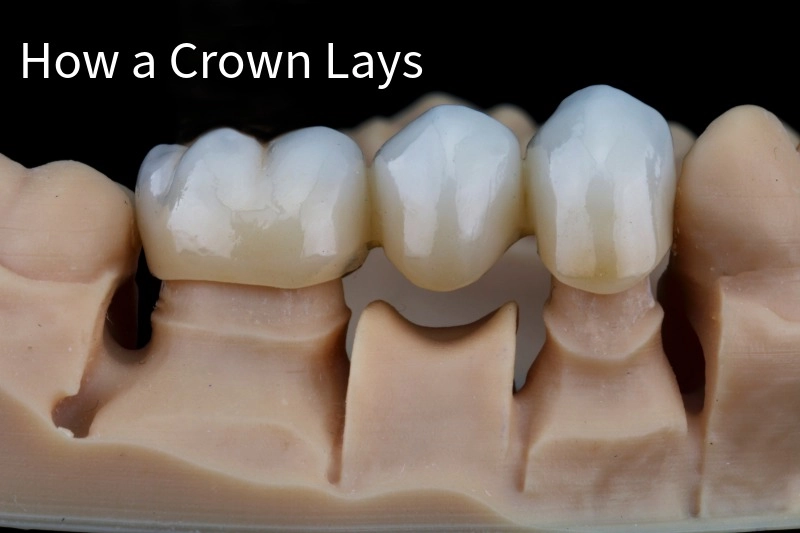
crown view

How long do crowns last?

Longevity varies by material, bite forces (grinding), and home care. Large systematic reviews of single-tooth crowns report high survival over 5–10+ years across metal-ceramic and all-ceramic options, with complications influenced by tooth vitality and habits like bruxism. access.archive-ouverte.unige.ch


Aftercare tips (first 24–48 hours)

  • Until numbness fades, chew on the opposite side and avoid scalding drinks.
  • With a temporary, avoid sticky/hard foods and slide floss out gently.
  • Call if your bite feels “high” or anything feels loose. (General two-visit timeline and care align with MedlinePlus.)

Insurance & payment basics

Many PPO plans classify crowns as a major service with coverage that varies by plan and annual maximum; HSAs/FSAs can help with out-of-pocket costs. (We’ll run a benefits check for your specific plan.)


Local notes for Bay Area patients

  • Easy access: Near 880/237, minutes from Great Mall & Milpitas Transit Center (BART)—good for before-work or lunch visits.
  • Neighbor cities served: San Jose, Fremont, Union City, Mountain View, Sunnyvale, Alviso.

FAQs

Does getting a crown hurt?
You’ll be numb; you may feel vibration/pressure but not sharp pain. Mild sensitivity after prep is common and fades. MedlinePlus

Which material is strongest?
Zirconia is typically chosen for high-load areas; porcelain and layered ceramics excel where esthetics matter. The California Dental Materials Fact Sheet helps frame pros/cons. dbc.ca.gov

4Nov 2025

How Do Dentists Fix Cavities? Step-by-Step Fillings in Milpitas

If you’ve been told you have a cavity, you might be wondering what actually happens during a filling. Here’s a clear, no-fluff walkthrough of the process we use at Milpitas Dental Group—what you’ll feel, how long it takes, and how to care for your tooth afterward. Patients visit us from Milpitas, San Jose, Fremont, Union City, Mountain View, Sunnyvale, and Alviso for fast, comfortable treatment close to BART and the Great Mall. Tooth decay starts when mouth bacteria make acids that weaken enamel and, if untreated, form a cavity. CDC

First: confirm the cavity

  • Digital X-rays & exam: We verify the size and location of decay (between teeth, on chewing surfaces, or near the gumline).
  • Treatment plan: We’ll discuss options—usually a tooth-colored (composite) filling; for larger decay we may suggest an inlay, onlay, or crown. (Standard treatments vary by severity.) NIDCR

Getting comfortable (numbing)

  • Topical gel: Numbs the surface so the anesthetic injection is barely noticeable.
  • Local anesthetic: Your cheek or lip may feel puffy or tingly for a couple of hours. You shouldn’t feel pain during the procedure—only gentle pressure and vibration.

Removing decay

  • Isolation: Cotton rolls or a small shield keep the area dry.
  • Gentle shaping: We remove the softened, infected enamel/dentin and shape the space so the new material bonds well. You’ll hear the handpiece, but you shouldn’t feel sharpness—just vibration.

Building your new tooth (composite filling)

  • Etch & bond: A micro-etch prepares the enamel; a bonding agent is applied so the filling fuses to your tooth.
  • Layering composite: We place tooth-colored material in layers and light-cure each one for strength; proper energy and wavelength are key for long-term performance. ADA
  • Sculpting the bite: We recreate natural grooves so the tooth looks and functions like new.

Bite check & polish

  • Articulating paper: You’ll tap and grind lightly so we can fine-tune any high spots.
  • Shine & smooth: Final polish helps resist staining and makes the restoration feel like natural enamel.

Total chair time: 30–60 minutes for most single fillings (a bit more for multiple teeth).

What will I feel afterward?

  • Numbness: Expect 1–3 hours. Avoid hot drinks and chewing your cheek/lip.
  • Mild sensitivity: Cold or pressure sensitivity can last a few days while the nerve settles—this is normal.
  • When to call us: If biting feels “off” or you get sharp zings that don’t improve within 48–72 hours, we’ll adjust your bite quickly. General after-care guidance is consistent with MedlinePlus. MedlinePlus

How long do fillings last?

Composite fillings commonly last many years with good care.

What if the cavity is large?

If decay is extensive, we may recommend:

  • Inlay/Onlay: A lab-made porcelain or composite piece for extra strength.
  • Crown: A full-coverage “cap” if the tooth is cracked or heavily restored.
  • Root canal + crown: If decay reaches the nerve and causes infection or persistent pain. (All are standard paths when a filling isn’t enough.) NIDCR

Cost, insurance & timing

  • Insurance: Most PPO plans cover a portion of fillings after your deductible.
  • HSAs/FSAs: Eligible expenses you can “cash in” before year-end.

Prevention tips (so you need fewer fillings)

  • Brush 2×/day with a fluoride toothpaste
  • Floss daily (especially those tight molar contacts)
  • Rinse after sugary snacks or coffee
  • Professional cleaning & checkup every 6 months (Milpitas, San Jose, Fremont, Union City, Mountain View, Sunnyvale, Alviso—easy access). Cavities are common but largely preventable with daily care and regular dental visits.

FAQs

Does a filling hurt?
With proper numbing, you should feel only pressure and vibration.

Can I eat after?
Once numbness wears off. If you must eat sooner, choose soft foods and chew on the opposite side.

Is tooth-colored material strong enough for molars?
Yes—modern composites are designed for chewing forces and can be used in back teeth.

Will my tooth be sensitive forever?
Sensitivity usually fades within days to a couple of weeks. If it persists, we’ll evaluate your bite or rule out deeper issues.


Ready to fix a cavity—fast?

Request an appointment or a benefits check. If you’re near the Great Mall or commuting via BART, we can often see you before/after work or during lunch.


Popular nearby searches: dentist Milpitas, cavity filling San Jose, emergency dentist Fremont, tooth pain Union City, dental clinic Mountain View, Sunnyvale dentist, Alviso dental.

15Sep 2025

Back-to-School Smiles: Checkups & Sports Mouthguards for Milpitas Families

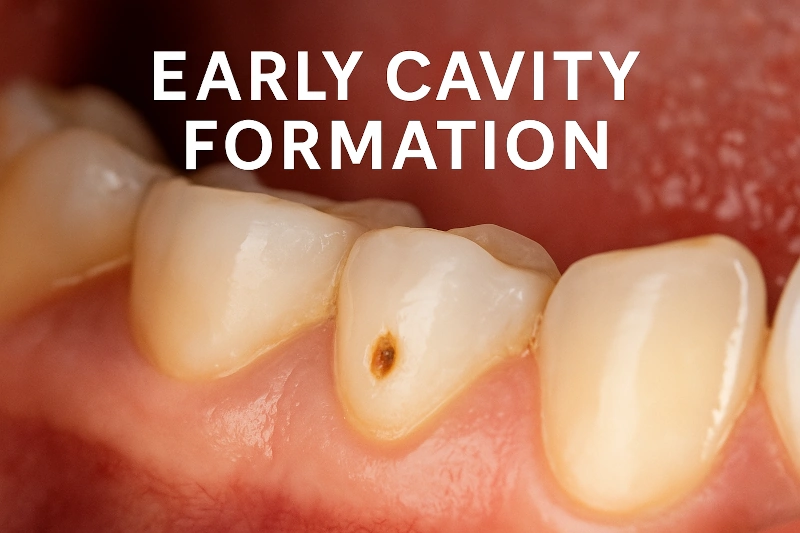
As fall sports kick off across Milpitas Unified, Fremont Unified, and North San Jose, it’s the perfect time to book your child’s dental checkup and get fitted for a sports mouthguard. Routine exams and cleanings help spot early signs of decay and strengthen enamel with fluoride—key protection during a busy school season with on-the-go snacks and sports drinks. Cavities form when oral bacteria feed on sugars and release acids that weaken enamel, which is why consistent preventive care matters. CDC

Close-up of teeth showing early cavity formation with text overlay “EARLY CAVITY FORMATION.”

For athletes in football, water polo, volleyball, and basketball, custom mouthguards are a smart upgrade over boil-and-bite options. Research shows mouthguards reduce dental and orofacial injuries in contact and collision sports; well-fitted guards distribute impact forces and protect teeth, lips, and jaws. NZDA Assets The American Academy of Pediatrics also advises parents that mouthguards help prevent dental emergencies—especially for sports with player contact or fast-moving equipment. HealthyChildren.org

What about performance and comfort? Modern custom mouthguards use precise impressions for a slimmer profile that stays put—so kids can breathe, speak, and hydrate without constantly removing them. Reviews of current evidence note protection benefits are clear, while performance “boost” claims remain unproven.

Pro tips for San Jose–area parents:

  • Schedule cleanings and exam updates now—before practices and games fill your calendar in Sunnyvale, Mountain View, and Union City.
  • Ask for a custom mouthguard if your child wears braces; it can be designed to protect appliances and soft tissue.
  • Replace a mouthguard each season or sooner if it’s damaged or outgrown.
  • Rinse with water after sports drinks and wait 30 minutes before brushing to avoid scrubbing softened enamel. NHS guidance supports a 30-minute window after acidic drinks/foods. NHS Lancashire

Call us for Kid’s Dental Care in the Milpitas Area

From Alviso club teams to Fremont rec leagues, a small investment in preventive care and a quality mouthguard can save your family from costly, painful dental injuries—and keep your student athlete on the field with a confident smile. If you live or play anywhere along the I-880 and 237 corridors (Milpitas, North San Jose, Fremont, Sunnyvale, Mountain View, Union City, Alviso), we’re nearby and ready to help.

13Aug 2025

Teeth Grinding in Tech: Stress-Related Dental Damage in Silicon Valley

Silicon Valley is known for its innovation, hustle, and long hours. But behind the scenes of coding marathons and product launches, there’s a dental issue quietly affecting thousands of tech professionals: teeth grinding, or bruxism.

While teeth grinding can happen during the day or night, it’s most commonly associated with sleep and high stress levels. According to the American Dental Association (ADA), up to 15% of Americans suffer from nighttime bruxism—and that number is often higher in high-pressure professions like tech.

The Tech-Stress Connection

The demands of the tech industry often come with tight deadlines, screen fatigue, late-night caffeine, and work-from-home ergonomics that aren’t ideal. Combined, these stressors can lead to subconscious habits like clenching or grinding teeth.

According to the American Academy of Sleep Medicine, stress is a common contributing factor to sleep bruxism.

A 2020 survey by the ADA found a 71% increase in stress-related oral health problems, including teeth grinding, during the COVID-19 pandemic—a trend that continues in high-stress sectors like software and startups.

Signs You Might Be Grinding Your Teeth

Many tech professionals aren’t even aware they grind their teeth until a dental exam reveals the damage. Common signs include:

  • Frequent headaches or tension in the temples
  • Jaw soreness or tightness, especially in the morning
  • Worn-down, chipped, or flattened teeth
  • Cracked dental work or crowns
  • Sleep disruption or jaw clicking

If you’re waking up with headaches or jaw pain, you may be grinding at night without realizing it.

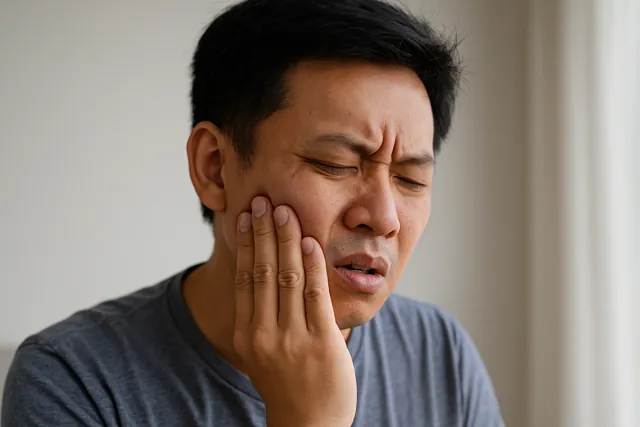
jaw soreness

The Long-Term Consequences

If left untreated, bruxism can lead to serious dental damage. Chronic grinding can wear down enamel, fracture teeth, loosen fillings, and contribute to gum recession. It also puts a strain on the temporomandibular joint (TMJ), potentially leading to chronic jaw disorders.

For professionals in high-performing fields like software engineering or management, this damage can lead to expensive restorative work — not to mention missed workdays from migraines or dental procedures.

How a Night Guard Can Help

A custom-fitted night guard from your dentist is one of the most effective ways to protect your teeth while you sleep. It acts as a cushion between your upper and lower teeth, preventing the pressure and friction that cause damage.

Unlike over-the-counter versions, a custom guard fits your mouth precisely and is made from durable material designed for long-term use. Many patients report a dramatic decrease in jaw pain and better sleep quality after just a few nights of wearing one.

Stress Reduction Matters, Too

Addressing the root cause is just as important. Practicing stress management techniques such as mindfulness, better posture at your desk, screen breaks, and regular exercise can help reduce grinding intensity over time.

Serving the Tech Community from Milpitas

At Milpitas Dental Group, we frequently see patients from nearby tech hubs like San Jose, Mountain View, Sunnyvale, and Fremont who come in with signs of bruxism. Our team offers comprehensive exams, custom night guards, and restorative care to protect and repair your smile.

Don’t wait until the damage is done. If you’re experiencing jaw pain, tension headaches, or worn teeth, we can help.

Book Your Bruxism Evaluation Today

Protect your smile from the stress of Silicon Valley. Schedule your consultation with Milpitas Dental Group today. We’re here to help you find relief, sleep better, and stop grinding for good.

13Aug 2025

Back-to-School Dental Tips for Milpitas Families: Start the Year with a Healthy Smile

Backpacks are packed, lunchboxes are ready, and schedules are filling up fast — but have you scheduled your child’s back-to-school dental visit?

At Milpitas Dental Group, we know that the start of the school year is the perfect time to refresh healthy habits and set kids up for a year of confident smiles. Whether you live in Milpitas, San Jose, Fremont, Union City, Sunnyvale, Mountain View, or Alviso, these tips will help keep your family’s teeth in top shape all year long.

1. Schedule Dental Cleanings Before the School Rush

Once school starts, evenings fill with homework, sports, and activities. Booking your child’s dental cleaning now ensures they start the year with a healthy smile — and avoids the challenge of squeezing in appointments later.

Regular cleanings help prevent cavities, remove plaque buildup, and catch small problems before they turn into bigger (and more expensive) ones. If you haven’t scheduled yet, we have convenient appointment times for families in Milpitas and surrounding Bay Area cities.

2. Pack Tooth-Friendly Snacks & Drinks

What your child eats during the day plays a big role in their oral health. Sugary snacks and drinks feed cavity-causing bacteria, while healthy choices help protect teeth.

Great lunchbox options include:

  • Fresh fruit like apple slices, grapes, or berries
  • Cheese sticks or cubes
  • Nuts or trail mix (if allowed at school)
  • Water instead of juice or soda

Tip: Fremont and San Jose farmers’ markets are a great source for fresh, local produce — and a fun way to get kids excited about healthy eating.

3. Protect Smiles with Sports Mouthguards

If your child plays soccer, football, basketball, or other contact sports, a custom-fitted mouthguard is a must. AFP (American Academy of Family Physicians) reports: “According to the ADA, athletes are 60 times more likely to suffer harm to their teeth when not wearing a mouth guard.”

We make custom mouthguards right here in Milpitas for a comfortable fit that offers better protection than store-bought versions.

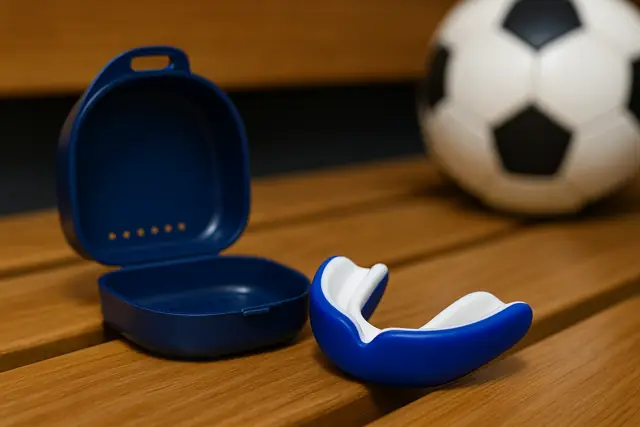
Mouthguard for dental protection at Milpitas dentist

4. Keep Morning & Evening Routines Consistent

Busy school mornings can make it tempting to rush through brushing — or skip it altogether. But brushing for two minutes twice a day and flossing once a day are essential for keeping teeth healthy.

For younger children, use a fun timer or play a song to make brushing more enjoyable. Teens may benefit from an electric toothbrush to improve cleaning efficiency.

Mom and daughter brushing teeth

5. Use Your Dental Benefits Before They Expire

Many dental insurance plans reset in January, meaning unused benefits are lost. Fall is a smart time to schedule any needed fillings, sealants, or crowns so you can use your benefits before the end of the year.

This also ensures your child’s smile is ready for school pictures, holiday events, and family gatherings.

6. Set the Example

Kids are more likely to follow healthy habits if they see their parents doing the same. Book your own dental cleaning alongside your child’s appointment — it’s a time-saver and shows them oral health is a priority for the whole family.

Start the School Year with Confidence

A healthy smile can boost your child’s confidence, help them focus in class, and set the tone for a great year ahead.

At Milpitas Dental Group, we’re proud to serve families from Milpitas, San Jose, Fremont, Union City, Sunnyvale, Mountain View, and Alviso. Whether it’s a routine cleaning, a sports mouthguard, or back-to-school exam, we’re here to keep smiles healthy year-round.

📅 Call us today to schedule your family’s back-to-school dental appointments!

4Jun 2025

Don’t Let Summer Treats Damage Your Teeth: 6 Dentist-Approved Tips for a Healthy Smile

As the weather heats up, so do our cravings for ice cream, popsicles, lemonade, and BBQ ribs. While summertime is full of fun, it can also sneak in a few habits that aren’t so friendly to your teeth. At Milpitas Dental Group, we’re here to help you enjoy the season without putting your smile at risk.

Whether you’re vacationing in San Jose, Fremont, Alviso, Sunnyvale, Mountain View, or Union City, these dentist-approved tips will keep your teeth strong and healthy all summer long.


🍦 1. Don’t Let Sugary Treats Linger

Did you know? Bacteria in your mouth love sugar just as much as you do. When they feed on sugar, they produce acid that erodes enamel and leads to cavities.

Tip: If you indulge in something sweet, rinse with water afterward and wait 30 minutes before brushing (to avoid brushing softened enamel).

👉 Fact source: American Dental Association (ADA) – ADA on sugar and decay


🏊‍♀️ 2. Be Careful with Pool Water

Chlorine is acidic, and frequent swimming in pools with high chlorine levels can erode enamel over time — especially in kids.

Tip: Remind kids to keep their mouths closed in the pool and drink water throughout the day to stay hydrated and neutralize acid.


🧊 3. Skip Chewing Ice

Craving crunch? Ice may seem harmless, but it can crack fillings and chip teeth.

Did you know? Chewing ice is one of the top causes of cracked molars in the summer, especially after soft drinks.


🍹 4. Watch the Acid in Citrus and Soda

Lemonade, sodas, and citrus fruits are acidic and can wear away enamel.

Tip: Sip through a straw to reduce contact with teeth, and rinse with water after drinking. Choose sparkling water over soda when you can.

woman sipping on a drink

😴 5. Pack a Nightguard for Vacation

Many people clench their jaws while flying, driving, or sleeping in unfamiliar places. A nightguard can protect your teeth from grinding damage.

Fun fact: Sleep bruxism (teeth grinding at night) affects an estimated 8–31% of the population, with teens and young adults most commonly affected.
👉 Source: Journal of Clinical Medicine (2021)


🧼 6. Don’t Skip Your Summer Cleaning!

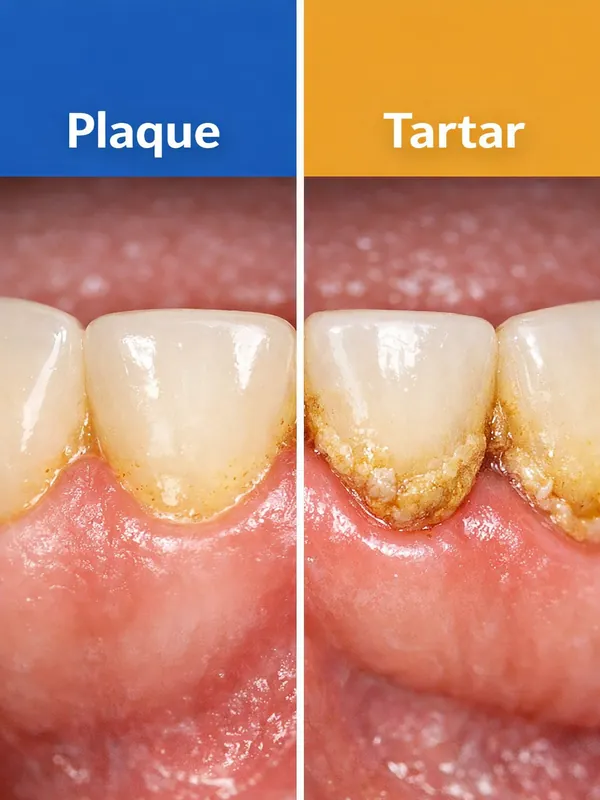
A professional dental cleaning removes plaque and tartar that brushing can’t reach. Summer is a great time to get it done — especially before fall routines kick in.


🌟 FAQ: Summer Dental Care

Q: Can summer snacks cause cavities faster?
Yes — especially sticky, sugary foods that cling to your teeth. Rinsing and brushing after eating can reduce your risk.

Q: Should I get a cleaning before vacation?
Definitely! A pre-vacation visit can catch any early issues and leave your teeth looking fresh in photos.

Q: What’s the best on-the-go dental product?
Travel-sized floss picks and mouth rinse are great for beach bags or carry-ons.


😁 Enjoy Summer with a Healthy Smile

Whether you’re in Milpitas or nearby cities like Fremont or San Jose, our team is here to help your family protect their smiles all summer long.

📅 Schedule your dental checkup today and sail into the season with a healthy, confident grin! New patients with PPO insurance may be eligible for a free Sonicare electric toothbrush!

electronic toothbrush
Skip to content