7Jul 2026

Is Summer a Good Time to Start Invisalign in Milpitas?

Summer can be a smart time to think about your smile. With school schedules changing, vacations approaching, and fall routines still a few months away, June and July may give patients a practical window to start orthodontic care.

For teens and adults considering Invisalign in Milpitas, summer can offer more flexibility for consultations, digital scans, treatment planning, and getting used to wearing clear aligners.

Why Summer Can Be a Convenient Time to Start Invisalign

Invisalign and other clear aligner treatments use a series of removable trays designed to gradually shift teeth into better alignment. The American Association of Orthodontists explains that clear aligners can be a discreet orthodontic option, especially for patients who want a less visible alternative to traditional metal braces.

Starting in summer may be helpful because patients often have more room in their schedules for:

  • An initial Invisalign consultation
  • Dental exam or X-rays if needed
  • Digital scans or impressions
  • Treatment planning
  • Learning how to wear and care for aligners
  • Follow-up appointments before fall gets busy

A Good Timing Option for Teens

For teens, summer may provide a helpful adjustment period. They can get used to wearing aligners, removing them for meals, cleaning them properly, and keeping track of wear time before school activities and homework return.

Starting during summer may also help teens feel more confident before school photos, fall events, or the next school year.

A Practical Choice for Busy Adults

Adults often delay orthodontic treatment because life feels too busy. Work, meetings, family obligations, and commuting can make it difficult to prioritize smile goals.

Clear aligners may appeal to adults because they are removable and less noticeable than traditional braces. The AAO notes that clear aligners can treat common concerns such as gapped teeth, crowded teeth, overbite, underbite, open bite, crooked teeth, and crossbite for appropriate candidates.

Summer can be a useful time to start if you want to improve your smile before the end of the year, especially before fall events, holiday photos, weddings, work gatherings, or family celebrations.

What Invisalign Can Help Improve

Invisalign may be recommended for many common orthodontic concerns, depending on the patient’s teeth, bite, and treatment goals.

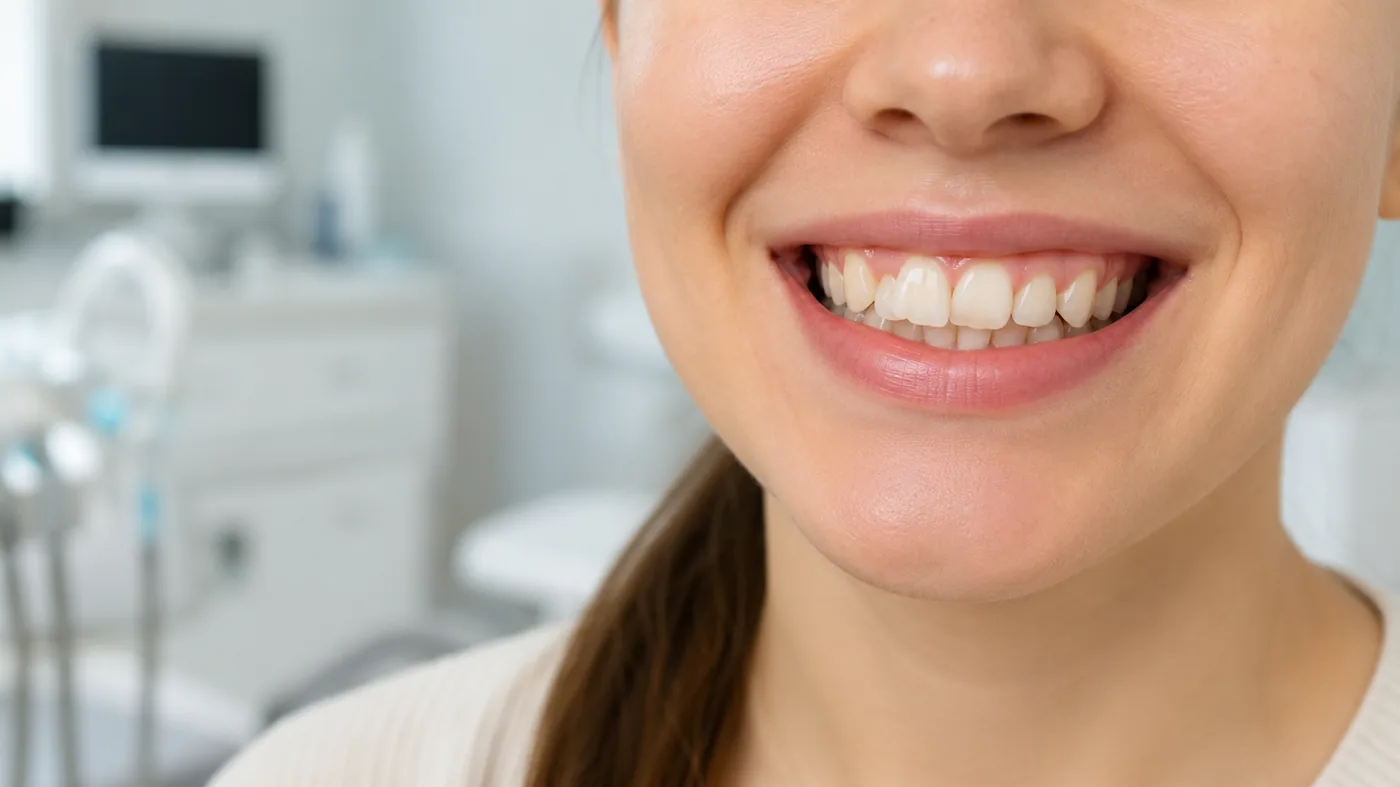
Crowded Teeth

Crowding can make teeth harder to clean and may affect the appearance of the smile.

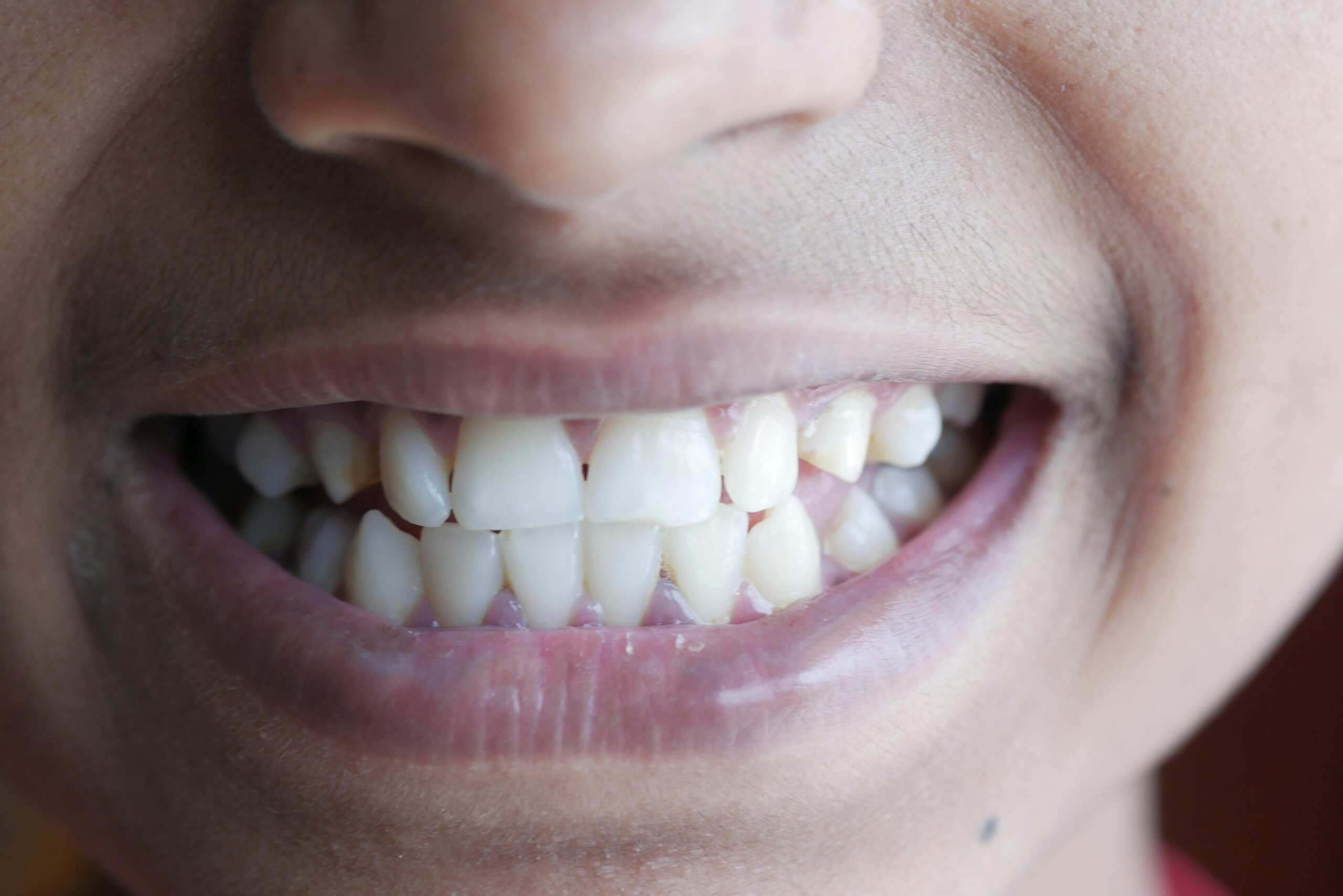
crowded teeth

Spacing Between Teeth

Gaps between teeth may be cosmetic, functional, or both.

Mild Bite Concerns

Some patients may benefit from clear aligner treatment for certain bite alignment issues.

Smile Appearance

Many patients choose Invisalign because they want straighter teeth without the look of brackets and wires.

A consultation is the best way to determine whether Invisalign or another orthodontic option is appropriate.

What to Expect at an Invisalign Consultation

At a consultation, the dental team will evaluate your teeth, bite, gums, and overall oral health. This visit may include:

  • A discussion of your smile goals
  • A dental exam
  • Digital imaging or scans
  • Review of possible treatment options
  • An explanation of expected wear time and responsibilities
  • A personalized treatment recommendation

Healthy teeth and gums are important before starting orthodontic treatment. The AAO recommends visiting a family dentist for a cleaning and check-up before getting scanned for clear aligners, because needed dental work should be completed first.

Tips for Starting Invisalign During Summer

Keep Aligners With You

Summer schedules can include travel, day trips, camps, and outdoor activities. Keeping your aligner case nearby can help prevent lost or damaged trays.

Remove Aligners Before Eating

Clear aligners should typically be removed for meals and most drinks besides water. This helps protect the trays and keeps them clearer.

Brush Before Putting Aligners Back In

Brushing before reinserting aligners helps reduce trapped food particles and supports cleaner teeth during treatment.

Follow Your Dentist’s Instructions

Treatment success depends on wearing aligners as directed. Your dentist will explain how long to wear them each day and when to switch to the next set.

Invisalign in Milpitas for Teens and Adults

Milpitas Dental Group offers orthodontic care for patients who want to explore clear aligner treatment. Whether you are a parent looking into Invisalign for your teen or an adult ready to improve your smile, summer can be a convenient time to get started.

A consultation can help answer important questions about treatment length, cost, candidacy, and expected results.

Free Invisalign or dental implant consultation at Milpitas Dental Group in Milpitas, CA

FAQ

Is summer a good time to start Invisalign?

Yes, summer can be convenient because many patients have more flexible schedules and time to adjust before school, work, and fall routines become busier.

Can teens get Invisalign?

Many teens may be candidates for Invisalign or clear aligners, depending on their teeth, bite, and ability to wear aligners as directed.

Is Invisalign noticeable?

Invisalign aligners are clear and designed to be discreet, which makes them popular with adults and teens who prefer a less visible orthodontic option.

Do I need a dental exam before Invisalign?

Yes. A dental exam helps determine whether your teeth and gums are healthy enough to begin orthodontic treatment.

How do I know if Invisalign is right for me?

The best way to know is to schedule a consultation. Your dentist can evaluate your smile, bite, and goals, then recommend the right orthodontic option.

Schedule an Invisalign Consultation in Milpitas

If you are thinking about Invisalign in Milpitas, summer is a great time to take the first step. Schedule a consultation with Milpitas Dental Group to learn whether clear aligners are a good fit for your smile goals.

Milpitas Dental Group
991 Montague Expressway #103
Milpitas, CA 95035
Phone: (408) 719-8300

Sources

7Jul 2026

Milpitas Dental Group Opens New Location on Montague Expressway

Finding a convenient dental office can make it much easier to keep up with routine visits, treatment plans, and family appointments. That is why Milpitas Dental Group is excited to welcome patients to a new second location at 991 Montague Expressway #103, Milpitas, CA 95035.

This new Milpitas dental office gives local families, working professionals, and nearby residents another convenient place to receive experienced dental care in the Milpitas area.

A New Milpitas Dental Office for Convenient Care

Milpitas is a busy community, and patients often need dental care that fits into real-life schedules. Between work, school, commuting, errands, and family responsibilities, location matters.

The new Milpitas Dental Group office on Montague Expressway offers another option for patients looking for a trusted Milpitas dentist close to home, work, and nearby neighborhoods.

New Location:
Milpitas Dental Group
991 Montague Expressway #103
Milpitas, CA 95035
Phone: (408) 719-8300
Fax: (408) 274-4438

Why Dental Office Access Matters

Consistent dental care can support long-term oral health. The CDC notes that oral health can affect overall quality of life and that access to preventive dental services plays an important role in community oral health.

For many patients, a nearby dental office makes it easier to schedule:

  • Routine dental exams
  • Professional cleanings
  • X-rays when needed
  • Restorative treatment
  • Cosmetic consultations
  • Family dental appointments
  • Follow-up care

A convenient location can also help patients avoid delaying care when a tooth feels sensitive, a filling feels loose, or it has simply been too long since the last dental visit.

Dental Care for Families, Adults, and Professionals

Milpitas Dental Group serves a wide range of patients, including adults, parents, kids, families, and busy professionals. The new location supports the same kind of practical, patient-centered care local residents already look for when choosing a Milpitas dental office.

Services may include:

Preventative Dentistry

Preventive care helps patients stay ahead of common dental concerns. Exams and cleanings give the dental team a chance to check the teeth, gums, bite, and overall oral health before small issues become more involved.

Restorative Dentistry

Restorative dentistry may help repair damaged, worn, decayed, or missing teeth. Depending on the patient’s needs, treatment may include fillings, crowns, bridges, dentures, implants, or other options.

Cosmetic Dentistry

For patients who want to improve the appearance of their smile, cosmetic dentistry may include teeth whitening, veneers, crowns, or other smile-enhancing treatments.

Family Dentistry

Families often benefit from having one dental office that can help coordinate care for parents and children. The American Academy of Pediatric Dentistry describes a “dental home” as an ongoing relationship that includes comprehensive, accessible, coordinated, and family-centered oral health care.

Why This Location May Be Helpful for Summer Scheduling

June and July can be a practical time to catch up on dental care. School schedules shift, families prepare for travel, and adults may want to complete appointments before fall routines return.

The new Montague Expressway location gives patients another way to fit dental care into a busy summer schedule. It may be especially helpful for:

  • Families booking appointments for multiple people
  • Professionals looking for care near work or commuter routes
  • Patients near McCarthy Ranch, North San Jose, or nearby Milpitas neighborhoods
  • New patients searching for a Milpitas dentist
  • Existing patients who prefer the new location

Choosing a Dental Office in Milpitas

When choosing a dental office, patients often look for a combination of experience, convenience, services, and trust. A local office that offers a range of dental services can make it easier to stay consistent with care over time.

A strong dental care relationship also helps the dental team understand a patient’s history, goals, concerns, and treatment preferences. That continuity can be especially valuable for families, patients with ongoing dental needs, and adults planning larger restorative or cosmetic treatments.

Visit Our New Milpitas Dental Office

Milpitas Dental Group is proud to continue serving the local community with a second Milpitas location on Montague Expressway. Whether you are due for a dental exam, interested in cosmetic treatment, need restorative care, or want a convenient dental office for your family, our team is here to help.

FAQ

Where is the new Milpitas Dental Group location?

The new location is at 991 Montague Expressway #103, Milpitas, CA 95035.

What is the phone number for the new location?

You can call (408) 719-8300.

Does Milpitas Dental Group see families?

Yes. Milpitas Dental Group provides dental care for adults, children, parents, and families.

Why choose a dental office close to home or work?

A convenient dental office can make it easier to keep up with exams, cleanings, follow-up care, and treatment appointments without disrupting your schedule.

What dental services are available?

Milpitas Dental Group offers a wide range of dental services, including preventative, restorative, cosmetic, orthodontic, implant, denture, pediatric, and endodontic care.

Schedule a Visit at Our New Milpitas Location

Looking for a convenient Milpitas dental office? Schedule an appointment with Milpitas Dental Group at our new Montague Expressway location.

Milpitas Dental Group
991 Montague Expressway #103
Milpitas, CA 95035
Phone: (408) 719-8300

1Jun 2026

Dental Crowns in Milpitas: When a Damaged Tooth Needs More Than a Filling

A tooth that is chipped, worn down, cracked, or heavily filled does not always need the same type of repair. In many cases, a simple filling works well. But when the tooth has lost too much structure or needs more protection, a dental crown may be the better long-term option.

For patients looking for a Milpitas dentist, this is one of the most common restorative questions: when is a filling enough, and when is a crown the smarter choice?

What Is the Difference Between a Filling and a Crown?

A filling repairs a smaller area of damage inside the tooth. A crown covers the visible portion of the tooth to restore its shape, strength, and function. The American Dental Association explains that crowns are often used to protect weak teeth, restore broken teeth, and strengthen a tooth that has a large filling but not enough natural structure left to support it well.

When a Filling May Be Enough

A filling may be appropriate when:

  • the cavity or damage is still relatively small
  • the tooth still has enough healthy structure
  • the tooth is not at high risk for breaking under pressure

Small to moderate decay can often be treated conservatively. The goal is to preserve as much natural tooth structure as possible when it is still strong enough to function well.

When a Crown May Be the Better Choice

A crown may be recommended when:

  • the tooth has a large existing filling
  • there is a crack or fracture risk
  • the tooth is broken or badly worn
  • a root canal has weakened the tooth
  • there is not enough remaining tooth to hold a filling securely

The ADA notes that crowns can help protect weak teeth from breaking or restore teeth that are already broken. They are also commonly used when a tooth has extensive structural loss.

Signs Your Tooth May Need More Than a Filling

Not every damaged tooth is painful right away, which is one reason people sometimes wait too long. A tooth may need a crown if you notice:

  • pain when chewing
  • sensitivity that lingers
  • a visible crack or chip
  • a tooth that feels weak
  • repeated problems with an old filling
man holds face in pain

Cracked teeth can sometimes worsen over time, and Cleveland Clinic notes that cracks may cause pain, swelling, and other symptoms that should not be ignored.

Why Early Treatment Matters

When a damaged tooth is treated early, there is often more flexibility in the available treatment options. Waiting can allow decay to spread or a crack to deepen. The National Institute of Dental and Craniofacial Research explains that tooth decay damages the tooth surface and can progress if it is not treated. Mayo Clinic also notes that untreated cavities can lead to toothache, infection, and even tooth loss.

A Crown Is Not Just About Appearance

Some patients hear the word crown and assume it is mainly cosmetic. In reality, crowns are often recommended to restore function and reduce the chance of further damage. They help the tooth handle normal biting forces more safely, especially when the original tooth structure is no longer strong enough on its own.

What to Expect at Your Visit

The best way to know whether you need a filling or crown is to have the tooth evaluated. A dentist can check the extent of the damage, look at the condition of any older restorations, and recommend the most appropriate treatment based on the tooth’s strength and long-term outlook.

For patients in Milpitas, this is especially worth doing before summer travel or busy family schedules begin. It is usually easier to deal with a damaged tooth now than after it turns into pain or a dental emergency.

FAQ

Do crowns last longer than fillings?

They often serve a different purpose. A crown is generally used when a tooth needs more coverage and protection than a filling can provide.

Can a cracked tooth always be fixed with a filling?

Not always. If the crack or structural damage is significant, a crown may offer better protection.

Is it better to treat a damaged tooth early?

Yes. Early treatment may help prevent worsening damage, pain, or infection.

Call Us Now

If you have a damaged, weak, or painful tooth, Milpitas Dental Group can help you find out whether a filling or crown is the right next step. Call Us Now to schedule an exam and get ahead of the problem before it gets worse.

Sources

1Jun 2026

Why Families in Milpitas Book Dental Visits Before Summer Break

Late spring is one of the busiest planning seasons for families. School is winding down, summer calendars are filling up, and many parents are trying to get ahead of travel, camps, activities, and appointments before routines change.

That is one reason many families choose to see a Milpitas dentist before summer break begins.

Why This Time of Year Makes Sense

Once summer starts, it often becomes harder to coordinate schedules for multiple family members. Booking visits in late May or early June can make it easier to stay on track with exams, cleanings, and follow-up care before calendars get crowded.

The American Dental Association notes that regular dental visits are part of maintaining oral health, and MouthHealthy explains that regular exams and good oral hygiene can help prevent most dental disease.

It Helps Families Stay Ahead of Small Problems

A routine visit can catch issues early, before they become more disruptive during summer travel or activities. Healthy People 2030 notes that regular preventive dental care can catch problems early, when they are often easier to treat.

Why This Matters for Kids

For children, preventive dental care matters because cavities remain very common. The CDC says cavities are the most common chronic disease of childhood in the United States, and untreated cavities can cause pain, infection, and problems with eating, speaking, and learning.

That makes late spring a practical time for parents to check on:

  • routine cleanings
  • exam timing
  • sensitivity or discomfort
  • follow-up for fillings or sealants
  • questions about oral hygiene habits at home

One Visit Window, Less Summer Stress

Many parents are not just thinking about one child. They are trying to coordinate care for the whole family. Booking before summer break can make it easier to line up appointments for kids, teens, and adults while routines are still more predictable.

This also helps families avoid the situation where a minor concern turns into pain during a vacation or right before a camp, sports program, or family trip.

It Supports Better Long-Term Habits

Seeing the dentist regularly is not just about reacting to pain. It helps reinforce preventive care and keeps families in a better routine with cleanings, exams, and home care. The ADA says oral care at home is important and helps lessen the need for extensive dental intervention later, while professional visits help support that broader preventive approach.

It Is Also a Convenience Decision

For many Milpitas families, booking in late spring is simply more convenient. It is easier to plan around school than to try squeezing appointments into a summer schedule that is already filling with trips, childcare, and activities.

If your family has been meaning to schedule checkups, this is one of the easiest times to get ahead of it.

FAQ

Is summer a bad time for dental visits?

Not necessarily, but it is often harder to coordinate once travel and activities begin.

Why are preventive visits important for kids?

Because cavities are common and untreated dental issues can lead to pain and other problems.

Should adults book before summer too?

Yes. Parents and professionals often benefit from handling exams and small concerns before travel and schedule changes.

Reach Out Today

If your family wants to get ahead of summer schedules, Milpitas Dental Group is here to help. Reach Out Today to book your family’s dental visits before the season gets busier.

Sources

30Apr 2026

Dental Implants in Milpitas: Who Is a Good Candidate?

If you are missing one or more teeth, dental implants may be one of the most reliable long-term ways to restore your smile. Dental implants are designed to replace missing tooth roots and support a crown, bridge, or denture. The American Dental Association explains that implants are a popular and effective option for replacing missing teeth, but candidacy depends on more than simply wanting a better smile.
For many patients in Milpitas, the real question is not whether implants look natural. It is whether they are a good fit for your oral health, bone support, healing ability, and overall treatment goals.
What Makes Someone a Good Candidate for Dental Implants?
In general, a good dental implant candidate has healthy gums, enough jawbone to support the implant, and overall health that allows the bone to heal properly after placement. Because implant placement is a surgical procedure, healing matters. The ADA also notes that conditions affecting healing, along with tobacco use, can interfere with implant success.


You May Be a Good Candidate If:


• You have one missing tooth, several missing teeth, or need a more stable alternative to removable dentures
• Your gums are generally healthy or can be treated before implant placement
• You have enough jawbone, or you may qualify for bone grafting first
• You are committed to good oral hygiene and regular dental visits
• You want a long-term tooth replacement option that feels secure and natural


Why Gum Health Matters Before Implants


Healthy gums are one of the most important parts of implant success. If gum disease is active, it can affect the tissues and bone that support the implant. The National Institute of Dental and Craniofacial Research notes that periodontal disease can damage the soft tissue and bone that support teeth, and smoking remains a major risk factor.

This is why an implant consultation usually includes a close look at gum health before treatment starts. If gum inflammation or infection is present, your dentist may recommend periodontal treatment first. Taking care of that early helps create a healthier foundation for the implant.


What If You Have Bone Loss?


A lot of patients assume they are automatically disqualified from dental implants if they have bone loss. That is not always true. After a tooth is lost, the jawbone in that area can begin to shrink over time. However, some patients may still qualify for implants after additional planning, such as bone grafting. NIDCR notes that regenerative dental approaches include implants, bone grafts, and membranes used to repair and regenerate hard and soft tissue.

This is one reason it helps to schedule a consultation sooner rather than later. Waiting too long after tooth loss can make treatment more complex.


Medical and Lifestyle Factors to Consider


Some health and lifestyle factors can affect how well implants heal. Chronic illnesses, tobacco use, and heavy bite pressure can all affect long-term success. That said, having a medical condition does not always rule out implants. It often means your dentist will need to review your health history carefully and coordinate a treatment plan around your needs.

Common factors your dentist may review include:

• Gum health
• Bone density and bone volume
• Smoking or tobacco use
• Diabetes and other conditions that affect healing
• Teeth grinding or bite pressure
• Your ability to keep the area clean after treatment

What to Expect at Your Implant Consultation in Milpitas

Your first visit is about determining whether implants are right for you and what steps are needed first. At Milpitas Dental Group, that usually means reviewing your dental history, examining your teeth and gums, and taking imaging to evaluate bone support and spacing.

Some patients are ready for implant treatment right away. Others may need an extraction, bone graft, gum treatment, or a broader restorative plan before moving forward. Either way, the consultation gives you a clear roadmap.

Are Dental Implants Worth It?


For the right patient, dental implants can restore confidence, chewing ability, and stability in a way that removable options often cannot match. They are designed to function like natural teeth and can support long-term oral health when properly maintained. If you have been told you are not a candidate in the past, or if you are just starting to explore tooth replacement options, it is still worth getting an updated evaluation.


FAQs


How do I know if I have enough bone for dental implants?
Your dentist can determine that with an exam and imaging. Even if bone loss is present, some patients may still qualify after bone grafting.

Can smokers get dental implants?
Possibly, but smoking can affect healing and increase risk. Your dentist will discuss how tobacco use may impact treatment success.

Are implants only for people missing one tooth?
No. Implants can replace one tooth, multiple teeth, or help support certain dentures and larger restorative plans.

Does getting a dental implant hurt?
Treatment is typically planned with comfort in mind. Most patients are more concerned about recovery than the procedure itself, and your dentist will explain what to expect.


Schedule Your Dental Implant Consultation in Milpitas

If you are considering dental implants in Milpitas, the best next step is a professional evaluation. Milpitas Dental Group can help you understand whether you are a good candidate, what treatment may be needed first, and which restorative option makes the most sense for your smile. Schedule your consultation today and take the first step toward a more complete, confident smile.

Sources

https://www.mouthhealthy.org/all-topics-a-z/implants

https://www.nidcr.nih.gov/research/data-statistics/periodontal-disease/adults

https://www.nidcr.nih.gov/grants-funding/funded-research/research-investments-advances/dental-materials

30Apr 2026

What to Expect From Invisalign Treatment in Milpitas

If you have been thinking about straightening your teeth without metal braces, Invisalign may be one of the first options that comes to mind. For many teens and adults, clear aligners are appealing because they are discreet, removable, and easier to fit into daily life. The American Association of Orthodontists explains that clear aligners are thin, plastic trays made to fit your teeth and move them over time.

Still, many patients in Milpitas ask the same thing before starting: what is the process actually like? The answer depends on your teeth, bite, and goals, but most Invisalign treatment follows a similar path from consultation to final retainers.

Your First Step: The Invisalign Consultation

The process starts with a consultation to see whether Invisalign is a good fit for your smile. At this visit, your dentist or orthodontic provider will examine your teeth, discuss your concerns, and review what you want to improve. The AAO notes that orthodontic treatment is designed to improve tooth and jaw alignment while supporting both function and appearance.

Common concerns discussed at the consultation include:

  • Crooked or crowded teeth
  • Small gaps between teeth
  • Mild to moderate bite issues
  • Past orthodontic relapse
  • Whether clear aligners or another treatment is the better choice

Digital Scans and Your Treatment Plan

If you are a candidate, the next step is usually digital scanning or impressions. These records help create your custom aligners and map out how your teeth are expected to move. AAO clear aligner therapy guidance highlights how aligner therapy combines aesthetics with a more flexible daily experience.

Getting Your First Set of Aligners

When your aligners are ready, you will receive your first sets along with instructions for wear and care. Most patients are told to wear aligners around 20 to 22 hours a day, removing them only for eating, drinking anything besides water, brushing, and flossing. Consistency matters because the aligners only work when they are worn as directed.

What the first few days can feel like

Many patients notice pressure when switching to a new set of trays. That pressure is usually a sign the aligners are working. You may also notice a short adjustment period with speech or tray removal, but most people adapt quickly.

Attachments, Adjustments, and Follow-Up Visits

Some Invisalign cases involve small tooth-colored attachments bonded to certain teeth. These help the aligners grip more effectively and create more precise movement. You will also have periodic check-ins so your dentist can make sure treatment is progressing as planned. The AAO aligner guidance emphasizes that clear aligners should be professionally supervised because treatment planning, monitoring, and adjustments matter for safe and effective movement.

Daily Life With Invisalign

One reason Invisalign is popular with adults and busy families is convenience. Since aligners are removable, you can eat the foods you normally enjoy without brackets or wires getting in the way. You can also brush and floss more normally than with fixed braces. That said, convenience still comes with responsibility.

To stay on track, patients should:

  • Wear aligners for the recommended number of hours each day
  • Remove them when eating or drinking anything except water
  • Brush before putting trays back in
  • Keep aligners clean
  • Change to the next set on schedule
  • Show up for progress visits

How Long Does Invisalign Take?

Treatment time depends on the complexity of your case. Mild cosmetic corrections may take less time than more involved crowding or bite problems. Your dentist will give you a more personalized timeline at the consultation. The important thing to remember is that Invisalign is not just about getting trays. It is a treatment plan, and the outcome depends on careful monitoring, good patient compliance, and selecting the right approach from the start.

What Happens After Invisalign?

After your teeth have reached their planned positions, you will usually need retainers to help maintain your results. This is an important part of treatment. Teeth can shift over time, especially if retainers are not worn as directed. For many patients, the final stage is just as important as the active aligner stage because it protects the investment you made in your smile.

FAQs

Is Invisalign painful?

Most patients describe it as pressure rather than pain, especially when starting a new aligner set.

Can I eat with Invisalign in?

No. Aligners should be removed before eating and before drinking anything other than water.

Does Invisalign work for adults?

Yes. Many adults choose clear aligners because they are more discreet than braces.

Will I need retainers after Invisalign?

Yes, retainers are typically recommended to help keep teeth in their new positions.

Book Your Invisalign Consultation in Milpitas

If you are ready to improve your smile with a more discreet orthodontic option, Milpitas Dental Group can help you understand what to expect from Invisalign treatment in Milpitas. From your first consultation to your final retainer plan, our team can guide you through each step with clarity and convenience. Schedule your Invisalign consultation today.

Sources

30Apr 2026

When Is a Toothache an Emergency Dentist Visit in Milpitas?

A toothache is never fun, but not every toothache means you need same-day emergency dental care. Some mild discomfort can wait for a prompt regular appointment. Other symptoms should not be ignored. According to the American Dental Association, tooth pain can come from several causes, and some dental emergencies require immediate attention, especially when pain is severe, swelling is present, or trauma has occurred.

If you are dealing with tooth pain in Milpitas, here is how to tell when it may be time to seek emergency dental care.

A Toothache May Be an Emergency If You Have Swelling, Fever, or Signs of Infection

Pain by itself matters, but pain plus swelling is often more concerning. An abscessed tooth is a dental infection that may cause pain, swelling, redness, a bad taste in the mouth, and fever. MouthHealthy notes that untreated abscesses can lead to more serious infection in the surrounding tissues.

Seek urgent dental attention if you have:

  • Swelling in the gums, jaw, or face
  • Fever along with tooth pain
  • A bad taste or draining fluid in the mouth
  • Pain that feels throbbing and keeps getting worse
  • Trouble biting down because of pressure or swelling
Woman with toothache checking temperature as signs of dental infection

Severe or Persistent Pain Should Not Be Ignored

If your toothache is intense, keeps you awake, or does not improve, it is a good idea to call a dentist quickly. A toothache can be caused by deep decay, infection, a cracked tooth, gum problems, or other issues that will not resolve on their own. The ADA evidence-based pain guidance emphasizes that urgent dental evaluation is often the appropriate next step when pain is coming from dental conditions rather than being managed casually at home.

Tooth Pain After an Injury Can Be an Emergency

If your toothache started after being hit in the mouth, biting something hard, or cracking a tooth, do not assume it is minor. The ADA dental emergency guidance advises getting to a dentist right away for issues like cracked teeth, broken teeth, and other traumatic dental injuries.

Call an emergency dentist in Milpitas if you have:

  • A cracked tooth with pain
  • A tooth that feels loose after injury
  • A broken tooth exposing sensitive inner structure
  • Bleeding that does not stop
  • Sudden pain when chewing after trauma

When a Toothache Might Wait a Day or Two

Not all toothaches are true emergencies. Mild sensitivity to cold, brief discomfort after eating sweets, or light irritation caused by food trapped between teeth may not require same-day treatment. The ADA recommends rinsing with warm water and gently flossing around the area to remove trapped debris when appropriate. See MouthHealthy emergency dental care tips for general first-aid guidance.

Still, “not an emergency” does not mean “ignore it.” Tooth pain is your body’s way of telling you something is wrong. If discomfort continues, schedule an exam before it turns into a bigger problem.

What You Can Do While Waiting to Be Seen

If you are waiting for an emergency dental appointment, there are a few simple steps that may help temporarily:

  • Rinsing with warm water
  • Gently flossing to remove trapped food
  • Using a cold compress on the outside of the face if swelling is present
  • Avoiding very hot, cold, or sugary foods if they worsen pain
  • Taking over-the-counter pain relief as directed, unless your doctor has told you otherwise

Avoid placing aspirin directly on the gum or tooth. That can irritate the tissue and does not fix the cause of the pain.

Why Fast Treatment Matters

A toothache can sometimes begin as a manageable issue and become much more serious if left untreated. Infection, cracked teeth, advanced decay, and inflamed dental pulp usually do not resolve without professional care. Prompt treatment can relieve pain, protect the tooth, and reduce the risk of the problem spreading.

FAQs

Is a throbbing toothache an emergency?

It can be, especially if it is severe, worsening, or comes with swelling, fever, or pressure.

Should I go to the ER for a toothache?

A dentist is usually the best first call for dental pain. However, significant facial swelling, uncontrolled bleeding, or symptoms that suggest a spreading infection may require emergency medical attention.

Can a tooth infection go away on its own?

A dental infection typically needs professional treatment and should not be ignored.

What if my tooth only hurts when I chew?

Pain when chewing can be a sign of a crack, infection, or inflammation, and it is worth having checked promptly.

Call for Emergency Dental Care in Milpitas

If you are dealing with severe tooth pain, swelling, or signs of infection, do not wait and hope it goes away. Milpitas Dental Group provides care for urgent dental concerns and can help determine whether your toothache needs immediate treatment. Call today to schedule an emergency dentist visit in Milpitas and get the relief you need.

Sources

ADA dental emergencieshttps://www.mouthhealthy.org/all-topics-a-z/dental-emergencies
ADA abscesshttps://www.mouthhealthy.org/all-topics-a-z/abscess
ADA dental emergency carehttps://www.mouthhealthy.org/dental-care/dental-emergencies
ADA pain guidancehttps://www.ada.org/resources/research/science/evidence-based-dental-research/antibiotics-for-dental-pain-and-swelling

30Mar 2026

Spring Dental Cleaning in Milpitas: Why This Season Is a Smart Time to Book

Spring is all about fresh starts, and that can include your smile too. If you have been meaning to get back on track with preventive dental care, spring is one of the best times to schedule a dental cleaning in Milpitas. Between spring cleaning at home, resetting routines, and preparing for busy summer schedules, many families find this season ideal for dental checkups.

Why Preventive Dentistry Matters for Overall Health

Routine dental visits matter more than many people realize. According to CDC FastStats, about 64.9% of adults age 18 and older had a dental exam or cleaning in the past year. That also means a significant share of adults are still missing recommended preventive care. The CDC also reports that about 1 in 4 adults ages 20 to 64 has untreated dental caries, which helps explain why delaying checkups can lead to bigger problems later.

A spring cleaning appointment can help remove plaque and tartar buildup that brushing and flossing at home may miss. It is also a good time for your dentist to check for early signs of cavities, gum inflammation, enamel wear, or other issues before they become more painful or costly to treat. Gum disease is especially common. The CDC notes that nearly half of adults age 30 and older show signs of periodontal disease.

For local families, spring can be especially practical. Many patients from Milpitas, San Jose, Fremont, Union City, Mountain View, Sunnyvale, and Alviso use this season to fit in appointments before summer vacations, camps, weddings, graduations, and other events fill the calendar. Booking now may also make it easier to plan any follow-up treatment before the year gets busier.

This topic also matters because oral health is closely tied to overall well-being. The CDC states that oral disease can affect eating, speaking, quality of life, and daily comfort. Preventive dentistry is not just about keeping teeth clean. It is about protecting function, comfort, and confidence.

Woman marking a June calendar to schedule a dental cleaning appointment

Do You Really Need a Dental Cleaning Every Six Months?

If it has been six months or longer since your last visit, spring is a smart time to schedule. Preventive care today can help you avoid discomfort and unexpected treatment later.

At Milpitas Dental Group, we proudly serve patients in Milpitas and nearby communities including San Jose, Fremont, Union City, Mountain View, Sunnyvale, and Alviso. If you are looking for a trusted local dentist for a spring cleaning and exam, our team is here to help you start the season with a healthier smile.

28Mar 2026

Teeth Whitening in Milpitas for Spring: A Popular Way to Refresh Your Smile

Spring often means more photos, more events, and more reasons to smile. From graduations and family gatherings to weddings and vacations, this time of year makes many people think about cosmetic dental care. If your teeth look dull or stained, professional teeth whitening in Milpitas can be a simple way to brighten your appearance before summer.

Tooth discoloration is common and usually happens gradually. The American Dental Association explains that whitening can be effective for both extrinsic stains on the outer surface of teeth and some intrinsic staining within the tooth structure. The ADA also notes that whitening treatments include in-office procedures, dentist-supplied take-home options, and over-the-counter products. However, only natural teeth whiten this way, not tooth-colored restorations like crowns or fillings.

Everyday habits are often part of the problem. Cleveland Clinic notes that common causes of tooth discoloration include coffee, tea, red wine, berries, tobacco use, and plaque buildup from poor oral hygiene. That is one reason spring whitening is often paired with a professional dental cleaning first. Removing buildup and surface stains can help improve the appearance of the smile and give you a better starting point for whitening.

Patients often ask whether store-bought products are enough. Some over-the-counter options can help, but dentist guidance is still important. The ADA advises patients to talk with a dentist before whitening, especially because not all discoloration responds the same way and some products may not be ideal for every smile.

Spring is also a strategic time for cosmetic dental care because it gives patients time to plan ahead. If you have a graduation, spring engagement photos, a wedding, or a summer vacation coming up, whitening now may help you feel more confident without waiting until the last minute. It is often one of the fastest ways to refresh your smile.

“Is professional teeth whitening worth it?”

For patients in Milpitas, San Jose, Fremont, Union City, Mountain View, Sunnyvale, and Alviso, professional whitening can be a practical first cosmetic step. It is less invasive than many other cosmetic procedures, and for the right candidate, it can make a noticeable difference.

At Milpitas Dental Group, we help patients explore cosmetic dental options that fit their goals and oral health needs. If you are looking for teeth whitening in Milpitas this spring, our team can help you determine whether professional whitening is the right choice for your smile.

25Mar 2026

Spring Sports and Dental Emergencies in Milpitas: How to Protect Your Smile

Spring usually means more time outdoors, more youth sports, and more active weekends. It also means more opportunities for dental injuries. Whether your child plays baseball, soccer, basketball, or rides bikes and scooters around the neighborhood, spring is a good time to think about dental emergency prevention in Milpitas.

Sports-related dental injuries are more common than many parents expect. The American Academy of Pediatric Dentistry states that orofacial injuries account for a large share of sports injuries, and research reviewed by AAPD has found that athletes are far more likely to experience dental injury when they do not wear a mouthguard. AAPD also emphasizes that mouthguards help reduce injuries to the teeth, lips, cheeks, tongue, and jaw.

That matters for families across Milpitas, San Jose, Fremont, Union City, Mountain View, Sunnyvale, and Alviso, where spring sports leagues and outdoor play increase during this season. A chipped tooth, cracked tooth, or knocked-out tooth can happen fast, especially during contact play or falls.

This is one reason preventive dental visits are so helpful in spring. A checkup can reveal small issues that may make a tooth more vulnerable, such as old fillings, enamel wear, or untreated decay. The CDC reports that about 25.9% of adults ages 20 to 64 have untreated cavities, showing that hidden dental problems are not rare. A weak tooth is more likely to become a painful emergency later.

Close-up photo of a mouth showing two subtle cavities on lower molars

Parents also commonly search for answers to questions like whether a child needs a sports mouthguard, what to do if a tooth gets knocked out, or where to find an emergency dentist in Milpitas. A helpful blog post that addresses these questions can reassure families while also guiding them toward preventive care.

If a dental injury happens, time matters. A broken or chipped tooth should be evaluated as soon as possible. If a permanent tooth is knocked out, handling it carefully by the crown instead of the root and getting prompt dental care may improve the chance of saving it. Fast response and protective gear are two of the most important parts of prevention and treatment.

Even beyond organized sports, spring activities can lead to dental issues. Falls at the park, accidents on scooters, or biting into hard foods at outdoor events can all turn into a dental emergency. Having a local dental home makes those moments less stressful.

Preventative Dental Care

At Milpitas Dental Group, we help patients with both preventive care and emergency dental concerns. If your family is getting more active this spring, now is a great time to ask about mouthguards, routine exams, and how to protect your smile during sports and outdoor activities.

Sources

American Academy of Pediatric Dentistry: Prevention of Sports-Related Orofacial Injuries: https://www.aapd.org/research/oral-health-policies–recommendations/prevention-of-sports-related-orofacial-injuries/

CDC 2024 Oral Health Surveillance Report: https://www.cdc.gov/oral-health/php/2024-oral-health-surveillance-report/index.html

Skip to content