1. Milpitas Dental Group
  2. Milpitas Dentists

Milpitas Dentists

30Apr 2026

When Is a Toothache an Emergency Dentist Visit in Milpitas?

A toothache is never fun, but not every toothache means you need same-day emergency dental care. Some mild discomfort can wait for a prompt regular appointment. Other symptoms should not be ignored. According to the American Dental Association, tooth pain can come from several causes, and some dental emergencies require immediate attention, especially when pain is severe, swelling is present, or trauma has occurred.

If you are dealing with tooth pain in Milpitas, here is how to tell when it may be time to seek emergency dental care.

A Toothache May Be an Emergency If You Have Swelling, Fever, or Signs of Infection

Pain by itself matters, but pain plus swelling is often more concerning. An abscessed tooth is a dental infection that may cause pain, swelling, redness, a bad taste in the mouth, and fever. MouthHealthy notes that untreated abscesses can lead to more serious infection in the surrounding tissues.

Seek urgent dental attention if you have:

  • Swelling in the gums, jaw, or face
  • Fever along with tooth pain
  • A bad taste or draining fluid in the mouth
  • Pain that feels throbbing and keeps getting worse
  • Trouble biting down because of pressure or swelling
Woman with toothache checking temperature as signs of dental infection

Severe or Persistent Pain Should Not Be Ignored

If your toothache is intense, keeps you awake, or does not improve, it is a good idea to call a dentist quickly. A toothache can be caused by deep decay, infection, a cracked tooth, gum problems, or other issues that will not resolve on their own. The ADA evidence-based pain guidance emphasizes that urgent dental evaluation is often the appropriate next step when pain is coming from dental conditions rather than being managed casually at home.

Tooth Pain After an Injury Can Be an Emergency

If your toothache started after being hit in the mouth, biting something hard, or cracking a tooth, do not assume it is minor. The ADA dental emergency guidance advises getting to a dentist right away for issues like cracked teeth, broken teeth, and other traumatic dental injuries.

Call an emergency dentist in Milpitas if you have:

  • A cracked tooth with pain
  • A tooth that feels loose after injury
  • A broken tooth exposing sensitive inner structure
  • Bleeding that does not stop
  • Sudden pain when chewing after trauma

When a Toothache Might Wait a Day or Two

Not all toothaches are true emergencies. Mild sensitivity to cold, brief discomfort after eating sweets, or light irritation caused by food trapped between teeth may not require same-day treatment. The ADA recommends rinsing with warm water and gently flossing around the area to remove trapped debris when appropriate. See MouthHealthy emergency dental care tips for general first-aid guidance.

Still, “not an emergency” does not mean “ignore it.” Tooth pain is your body’s way of telling you something is wrong. If discomfort continues, schedule an exam before it turns into a bigger problem.

What You Can Do While Waiting to Be Seen

If you are waiting for an emergency dental appointment, there are a few simple steps that may help temporarily:

  • Rinsing with warm water
  • Gently flossing to remove trapped food
  • Using a cold compress on the outside of the face if swelling is present
  • Avoiding very hot, cold, or sugary foods if they worsen pain
  • Taking over-the-counter pain relief as directed, unless your doctor has told you otherwise

Avoid placing aspirin directly on the gum or tooth. That can irritate the tissue and does not fix the cause of the pain.

Why Fast Treatment Matters

A toothache can sometimes begin as a manageable issue and become much more serious if left untreated. Infection, cracked teeth, advanced decay, and inflamed dental pulp usually do not resolve without professional care. Prompt treatment can relieve pain, protect the tooth, and reduce the risk of the problem spreading.

FAQs

Is a throbbing toothache an emergency?

It can be, especially if it is severe, worsening, or comes with swelling, fever, or pressure.

Should I go to the ER for a toothache?

A dentist is usually the best first call for dental pain. However, significant facial swelling, uncontrolled bleeding, or symptoms that suggest a spreading infection may require emergency medical attention.

Can a tooth infection go away on its own?

A dental infection typically needs professional treatment and should not be ignored.

What if my tooth only hurts when I chew?

Pain when chewing can be a sign of a crack, infection, or inflammation, and it is worth having checked promptly.

Call for Emergency Dental Care in Milpitas

If you are dealing with severe tooth pain, swelling, or signs of infection, do not wait and hope it goes away. Milpitas Dental Group provides care for urgent dental concerns and can help determine whether your toothache needs immediate treatment. Call today to schedule an emergency dentist visit in Milpitas and get the relief you need.

Sources

ADA dental emergencieshttps://www.mouthhealthy.org/all-topics-a-z/dental-emergencies
ADA abscesshttps://www.mouthhealthy.org/all-topics-a-z/abscess
ADA dental emergency carehttps://www.mouthhealthy.org/dental-care/dental-emergencies
ADA pain guidancehttps://www.ada.org/resources/research/science/evidence-based-dental-research/antibiotics-for-dental-pain-and-swelling

30Apr 2026

What to Expect From Invisalign Treatment in Milpitas

If you have been thinking about straightening your teeth without metal braces, Invisalign may be one of the first options that comes to mind. For many teens and adults, clear aligners are appealing because they are discreet, removable, and easier to fit into daily life. The American Association of Orthodontists explains that clear aligners are thin, plastic trays made to fit your teeth and move them over time.

Still, many patients in Milpitas ask the same thing before starting: what is the process actually like? The answer depends on your teeth, bite, and goals, but most Invisalign treatment follows a similar path from consultation to final retainers.

Your First Step: The Invisalign Consultation

The process starts with a consultation to see whether Invisalign is a good fit for your smile. At this visit, your dentist or orthodontic provider will examine your teeth, discuss your concerns, and review what you want to improve. The AAO notes that orthodontic treatment is designed to improve tooth and jaw alignment while supporting both function and appearance.

Common concerns discussed at the consultation include:

  • Crooked or crowded teeth
  • Small gaps between teeth
  • Mild to moderate bite issues
  • Past orthodontic relapse
  • Whether clear aligners or another treatment is the better choice

Digital Scans and Your Treatment Plan

If you are a candidate, the next step is usually digital scanning or impressions. These records help create your custom aligners and map out how your teeth are expected to move. AAO clear aligner therapy guidance highlights how aligner therapy combines aesthetics with a more flexible daily experience.

Getting Your First Set of Aligners

When your aligners are ready, you will receive your first sets along with instructions for wear and care. Most patients are told to wear aligners around 20 to 22 hours a day, removing them only for eating, drinking anything besides water, brushing, and flossing. Consistency matters because the aligners only work when they are worn as directed.

What the first few days can feel like

Many patients notice pressure when switching to a new set of trays. That pressure is usually a sign the aligners are working. You may also notice a short adjustment period with speech or tray removal, but most people adapt quickly.

Attachments, Adjustments, and Follow-Up Visits

Some Invisalign cases involve small tooth-colored attachments bonded to certain teeth. These help the aligners grip more effectively and create more precise movement. You will also have periodic check-ins so your dentist can make sure treatment is progressing as planned. The AAO aligner guidance emphasizes that clear aligners should be professionally supervised because treatment planning, monitoring, and adjustments matter for safe and effective movement.

Daily Life With Invisalign

One reason Invisalign is popular with adults and busy families is convenience. Since aligners are removable, you can eat the foods you normally enjoy without brackets or wires getting in the way. You can also brush and floss more normally than with fixed braces. That said, convenience still comes with responsibility.

To stay on track, patients should:

  • Wear aligners for the recommended number of hours each day
  • Remove them when eating or drinking anything except water
  • Brush before putting trays back in
  • Keep aligners clean
  • Change to the next set on schedule
  • Show up for progress visits

How Long Does Invisalign Take?

Treatment time depends on the complexity of your case. Mild cosmetic corrections may take less time than more involved crowding or bite problems. Your dentist will give you a more personalized timeline at the consultation. The important thing to remember is that Invisalign is not just about getting trays. It is a treatment plan, and the outcome depends on careful monitoring, good patient compliance, and selecting the right approach from the start.

What Happens After Invisalign?

After your teeth have reached their planned positions, you will usually need retainers to help maintain your results. This is an important part of treatment. Teeth can shift over time, especially if retainers are not worn as directed. For many patients, the final stage is just as important as the active aligner stage because it protects the investment you made in your smile.

FAQs

Is Invisalign painful?

Most patients describe it as pressure rather than pain, especially when starting a new aligner set.

Can I eat with Invisalign in?

No. Aligners should be removed before eating and before drinking anything other than water.

Does Invisalign work for adults?

Yes. Many adults choose clear aligners because they are more discreet than braces.

Will I need retainers after Invisalign?

Yes, retainers are typically recommended to help keep teeth in their new positions.

Book Your Invisalign Consultation in Milpitas

If you are ready to improve your smile with a more discreet orthodontic option, Milpitas Dental Group can help you understand what to expect from Invisalign treatment in Milpitas. From your first consultation to your final retainer plan, our team can guide you through each step with clarity and convenience. Schedule your Invisalign consultation today.

Sources

30Apr 2026

Dental Implants in Milpitas: Who Is a Good Candidate?

If you are missing one or more teeth, dental implants may be one of the most reliable long-term ways to restore your smile. Dental implants are designed to replace missing tooth roots and support a crown, bridge, or denture. The American Dental Association explains that implants are a popular and effective option for replacing missing teeth, but candidacy depends on more than simply wanting a better smile.
For many patients in Milpitas, the real question is not whether implants look natural. It is whether they are a good fit for your oral health, bone support, healing ability, and overall treatment goals.
What Makes Someone a Good Candidate for Dental Implants?
In general, a good dental implant candidate has healthy gums, enough jawbone to support the implant, and overall health that allows the bone to heal properly after placement. Because implant placement is a surgical procedure, healing matters. The ADA also notes that conditions affecting healing, along with tobacco use, can interfere with implant success.


You May Be a Good Candidate If:


• You have one missing tooth, several missing teeth, or need a more stable alternative to removable dentures
• Your gums are generally healthy or can be treated before implant placement
• You have enough jawbone, or you may qualify for bone grafting first
• You are committed to good oral hygiene and regular dental visits
• You want a long-term tooth replacement option that feels secure and natural


Why Gum Health Matters Before Implants


Healthy gums are one of the most important parts of implant success. If gum disease is active, it can affect the tissues and bone that support the implant. The National Institute of Dental and Craniofacial Research notes that periodontal disease can damage the soft tissue and bone that support teeth, and smoking remains a major risk factor.

This is why an implant consultation usually includes a close look at gum health before treatment starts. If gum inflammation or infection is present, your dentist may recommend periodontal treatment first. Taking care of that early helps create a healthier foundation for the implant.


What If You Have Bone Loss?


A lot of patients assume they are automatically disqualified from dental implants if they have bone loss. That is not always true. After a tooth is lost, the jawbone in that area can begin to shrink over time. However, some patients may still qualify for implants after additional planning, such as bone grafting. NIDCR notes that regenerative dental approaches include implants, bone grafts, and membranes used to repair and regenerate hard and soft tissue.

This is one reason it helps to schedule a consultation sooner rather than later. Waiting too long after tooth loss can make treatment more complex.


Medical and Lifestyle Factors to Consider


Some health and lifestyle factors can affect how well implants heal. Chronic illnesses, tobacco use, and heavy bite pressure can all affect long-term success. That said, having a medical condition does not always rule out implants. It often means your dentist will need to review your health history carefully and coordinate a treatment plan around your needs.

Common factors your dentist may review include:

• Gum health
• Bone density and bone volume
• Smoking or tobacco use
• Diabetes and other conditions that affect healing
• Teeth grinding or bite pressure
• Your ability to keep the area clean after treatment

What to Expect at Your Implant Consultation in Milpitas

Your first visit is about determining whether implants are right for you and what steps are needed first. At Milpitas Dental Group, that usually means reviewing your dental history, examining your teeth and gums, and taking imaging to evaluate bone support and spacing.

Some patients are ready for implant treatment right away. Others may need an extraction, bone graft, gum treatment, or a broader restorative plan before moving forward. Either way, the consultation gives you a clear roadmap.

Are Dental Implants Worth It?


For the right patient, dental implants can restore confidence, chewing ability, and stability in a way that removable options often cannot match. They are designed to function like natural teeth and can support long-term oral health when properly maintained. If you have been told you are not a candidate in the past, or if you are just starting to explore tooth replacement options, it is still worth getting an updated evaluation.


FAQs


How do I know if I have enough bone for dental implants?
Your dentist can determine that with an exam and imaging. Even if bone loss is present, some patients may still qualify after bone grafting.

Can smokers get dental implants?
Possibly, but smoking can affect healing and increase risk. Your dentist will discuss how tobacco use may impact treatment success.

Are implants only for people missing one tooth?
No. Implants can replace one tooth, multiple teeth, or help support certain dentures and larger restorative plans.

Does getting a dental implant hurt?
Treatment is typically planned with comfort in mind. Most patients are more concerned about recovery than the procedure itself, and your dentist will explain what to expect.


Schedule Your Dental Implant Consultation in Milpitas

If you are considering dental implants in Milpitas, the best next step is a professional evaluation. Milpitas Dental Group can help you understand whether you are a good candidate, what treatment may be needed first, and which restorative option makes the most sense for your smile. Schedule your consultation today and take the first step toward a more complete, confident smile.

Sources

https://www.mouthhealthy.org/all-topics-a-z/implants

https://www.nidcr.nih.gov/research/data-statistics/periodontal-disease/adults

https://www.nidcr.nih.gov/grants-funding/funded-research/research-investments-advances/dental-materials

30Mar 2026

Spring Dental Cleaning in Milpitas: Why This Season Is a Smart Time to Book

Spring is all about fresh starts, and that can include your smile too. If you have been meaning to get back on track with preventive dental care, spring is one of the best times to schedule a dental cleaning in Milpitas. Between spring cleaning at home, resetting routines, and preparing for busy summer schedules, many families find this season ideal for dental checkups.

Why Preventive Dentistry Matters for Overall Health

Routine dental visits matter more than many people realize. According to CDC FastStats, about 64.9% of adults age 18 and older had a dental exam or cleaning in the past year. That also means a significant share of adults are still missing recommended preventive care. The CDC also reports that about 1 in 4 adults ages 20 to 64 has untreated dental caries, which helps explain why delaying checkups can lead to bigger problems later.

A spring cleaning appointment can help remove plaque and tartar buildup that brushing and flossing at home may miss. It is also a good time for your dentist to check for early signs of cavities, gum inflammation, enamel wear, or other issues before they become more painful or costly to treat. Gum disease is especially common. The CDC notes that nearly half of adults age 30 and older show signs of periodontal disease.

For local families, spring can be especially practical. Many patients from Milpitas, San Jose, Fremont, Union City, Mountain View, Sunnyvale, and Alviso use this season to fit in appointments before summer vacations, camps, weddings, graduations, and other events fill the calendar. Booking now may also make it easier to plan any follow-up treatment before the year gets busier.

This topic also matters because oral health is closely tied to overall well-being. The CDC states that oral disease can affect eating, speaking, quality of life, and daily comfort. Preventive dentistry is not just about keeping teeth clean. It is about protecting function, comfort, and confidence.

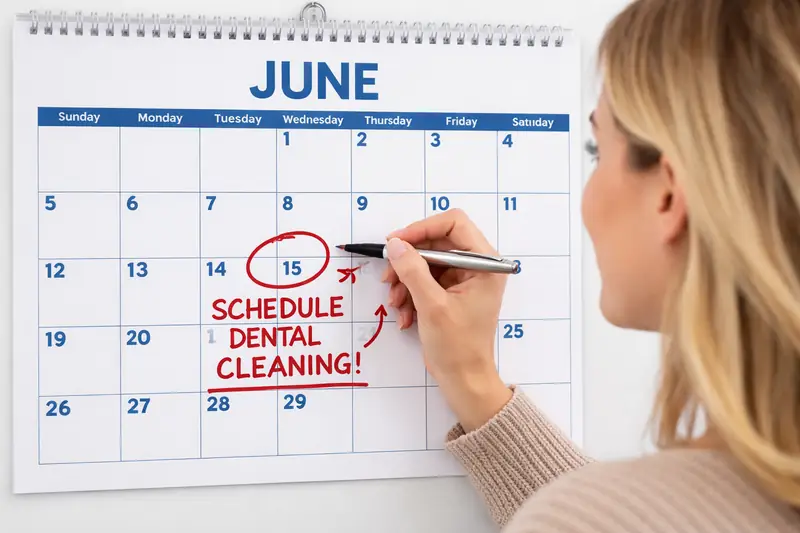
Woman marking a June calendar to schedule a dental cleaning appointment

Do You Really Need a Dental Cleaning Every Six Months?

If it has been six months or longer since your last visit, spring is a smart time to schedule. Preventive care today can help you avoid discomfort and unexpected treatment later.

At Milpitas Dental Group, we proudly serve patients in Milpitas and nearby communities including San Jose, Fremont, Union City, Mountain View, Sunnyvale, and Alviso. If you are looking for a trusted local dentist for a spring cleaning and exam, our team is here to help you start the season with a healthier smile.

28Mar 2026

Teeth Whitening in Milpitas for Spring: A Popular Way to Refresh Your Smile

Spring often means more photos, more events, and more reasons to smile. From graduations and family gatherings to weddings and vacations, this time of year makes many people think about cosmetic dental care. If your teeth look dull or stained, professional teeth whitening in Milpitas can be a simple way to brighten your appearance before summer.

Tooth discoloration is common and usually happens gradually. The American Dental Association explains that whitening can be effective for both extrinsic stains on the outer surface of teeth and some intrinsic staining within the tooth structure. The ADA also notes that whitening treatments include in-office procedures, dentist-supplied take-home options, and over-the-counter products. However, only natural teeth whiten this way, not tooth-colored restorations like crowns or fillings.

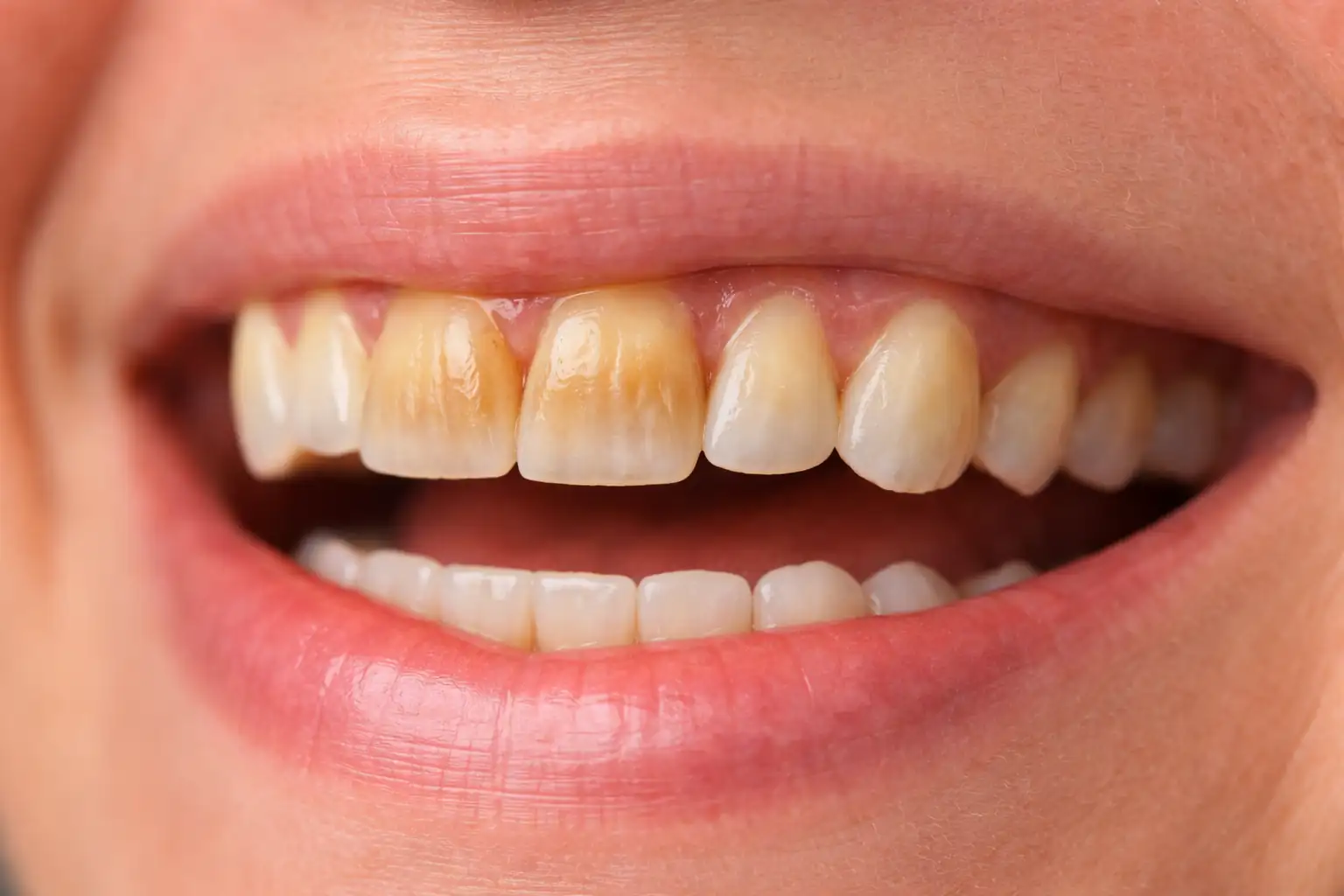
Everyday habits are often part of the problem. Cleveland Clinic notes that common causes of tooth discoloration include coffee, tea, red wine, berries, tobacco use, and plaque buildup from poor oral hygiene. That is one reason spring whitening is often paired with a professional dental cleaning first. Removing buildup and surface stains can help improve the appearance of the smile and give you a better starting point for whitening.

Patients often ask whether store-bought products are enough. Some over-the-counter options can help, but dentist guidance is still important. The ADA advises patients to talk with a dentist before whitening, especially because not all discoloration responds the same way and some products may not be ideal for every smile.

Spring is also a strategic time for cosmetic dental care because it gives patients time to plan ahead. If you have a graduation, spring engagement photos, a wedding, or a summer vacation coming up, whitening now may help you feel more confident without waiting until the last minute. It is often one of the fastest ways to refresh your smile.

“Is professional teeth whitening worth it?”

For patients in Milpitas, San Jose, Fremont, Union City, Mountain View, Sunnyvale, and Alviso, professional whitening can be a practical first cosmetic step. It is less invasive than many other cosmetic procedures, and for the right candidate, it can make a noticeable difference.

At Milpitas Dental Group, we help patients explore cosmetic dental options that fit their goals and oral health needs. If you are looking for teeth whitening in Milpitas this spring, our team can help you determine whether professional whitening is the right choice for your smile.

25Mar 2026

Spring Sports and Dental Emergencies in Milpitas: How to Protect Your Smile

Spring usually means more time outdoors, more youth sports, and more active weekends. It also means more opportunities for dental injuries. Whether your child plays baseball, soccer, basketball, or rides bikes and scooters around the neighborhood, spring is a good time to think about dental emergency prevention in Milpitas.

Sports-related dental injuries are more common than many parents expect. The American Academy of Pediatric Dentistry states that orofacial injuries account for a large share of sports injuries, and research reviewed by AAPD has found that athletes are far more likely to experience dental injury when they do not wear a mouthguard. AAPD also emphasizes that mouthguards help reduce injuries to the teeth, lips, cheeks, tongue, and jaw.

That matters for families across Milpitas, San Jose, Fremont, Union City, Mountain View, Sunnyvale, and Alviso, where spring sports leagues and outdoor play increase during this season. A chipped tooth, cracked tooth, or knocked-out tooth can happen fast, especially during contact play or falls.

This is one reason preventive dental visits are so helpful in spring. A checkup can reveal small issues that may make a tooth more vulnerable, such as old fillings, enamel wear, or untreated decay. The CDC reports that about 25.9% of adults ages 20 to 64 have untreated cavities, showing that hidden dental problems are not rare. A weak tooth is more likely to become a painful emergency later.

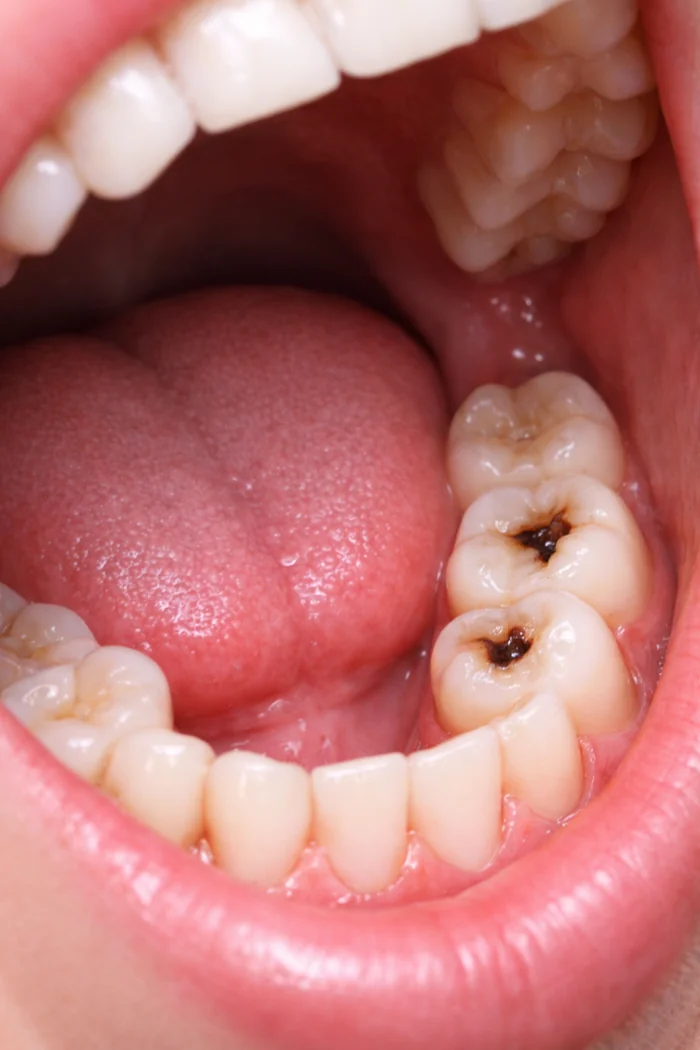
Close-up photo of a mouth showing two subtle cavities on lower molars

Parents also commonly search for answers to questions like whether a child needs a sports mouthguard, what to do if a tooth gets knocked out, or where to find an emergency dentist in Milpitas. A helpful blog post that addresses these questions can reassure families while also guiding them toward preventive care.

If a dental injury happens, time matters. A broken or chipped tooth should be evaluated as soon as possible. If a permanent tooth is knocked out, handling it carefully by the crown instead of the root and getting prompt dental care may improve the chance of saving it. Fast response and protective gear are two of the most important parts of prevention and treatment.

Even beyond organized sports, spring activities can lead to dental issues. Falls at the park, accidents on scooters, or biting into hard foods at outdoor events can all turn into a dental emergency. Having a local dental home makes those moments less stressful.

Preventative Dental Care

At Milpitas Dental Group, we help patients with both preventive care and emergency dental concerns. If your family is getting more active this spring, now is a great time to ask about mouthguards, routine exams, and how to protect your smile during sports and outdoor activities.

Sources

American Academy of Pediatric Dentistry: Prevention of Sports-Related Orofacial Injuries: https://www.aapd.org/research/oral-health-policies–recommendations/prevention-of-sports-related-orofacial-injuries/

CDC 2024 Oral Health Surveillance Report: https://www.cdc.gov/oral-health/php/2024-oral-health-surveillance-report/index.html

9Feb 2026

Coffee, Boba & Wine—Bay Area Drinks That Stain (and How to Protect Your Smile)

From Philz cold brew to weekend boba runs and Napa reds, the Bay Area runs on flavorful drinks. The trade-off? Dark pigments and acidity can leave surface stains and, with frequent sugar exposure, raise cavity risk. You don’t have to quit your favorites—just use smarter habits. This guide is tailored for Milpitas, with care for commuters from San Jose, Fremont, Union City, Mountain View, Sunnyvale, and Alviso.

Why these drinks change tooth color

Staining happens mostly on the enamel surface. Dark beverages carry chromogens (pigments) and polyphenols like tannins that bind to the tooth’s pellicle. Research testing tannic-acid solutions at red-wine–like concentrations shows contact time increases enamel staining and surface changes—one reason tea/wine can tint teeth faster than you’d expect.

Acidity adds fuel to the fire. Low-pH drinks (many sparkling teas, sodas, wines, kombucha) can soften enamel for a short window, making pigments stick more easily and nudging surface wear over time. Recent lab work measuring enamel roughness after exposure to everyday acidic beverages confirms that repeated acid hits change the surface, which can amplify stain pickup.

Where boba fits in

Classic milk tea with pearls often contains high added sugars. Frequent sipping keeps sugar in contact with teeth, feeding cavity-causing bacteria. A 2020 systematic review and meta-analysis found sugar-sweetened beverage intake is associated with higher risk of dental caries and erosion in both kids and adults—pattern matters as much as volume.

Everyday strategies that really work

  • Rinse, then wait to brush. After a staining or acidic drink, swish with water. Brush ~30 minutes later so you’re not scrubbing temporarily softened enamel.
  • Use a straw for iced drinks. Aim the stream past front teeth for iced coffee or milk tea.
  • Time your sips. It’s better to finish a drink within 15–30 minutes than to nurse it for hours; less total “acid/sugar contact time” means less risk.
  • Pair with enamel-friendly snacks. Nuts, cheese, and yogurt during wine tastings can help buffer acids and stimulate saliva.
  • Upgrade your routine. Use fluoride toothpaste twice daily to strengthen enamel; a gentle whitening toothpaste helps lift surface stain between cleanings.
  • Mind the mix-ins. Ask for “less sweet,” cut syrups, or choose unsweetened tea. Consider fewer pearls (they cling to molars) and avoid sticky add-ons like brown-sugar syrup.

Whitening options that fit Bay Area life

  • Pro cleanings every 6 months clear plaque and much surface stain fast.
  • Custom take-home trays let you brighten gradually around work or school.
  • In-office whitening is the quickest route before events or photos.
    Real talk: daily coffee/tea drinkers do best with a maintained natural shade rather than chasing an ultra-white tone once.

If you love red wine

Alternate sips with water, snack on cheese or almonds, and skip immediate brushing after tastings. At home, a whitening pen can spot-treat along the gumline before your next full touch-up.

For parents & teens

Boba can be a treat—but turn it into a mealtime drink, not an all-day sip. Keep a water bottle handy, and make post-snack xylitol gum/mints or a quick water rinse the default. If your teen is in aligners, remind them to remove/clean trays before colored drinks.

Local, practical care

At Milpitas Dental Group (1771 N Milpitas Blvd) we build stain-control plans around your actual routine—coffee at 7 a.m., boba at 3 p.m., wine on weekends. We serve Milpitas, San Jose, Fremont, Union City, Mountain View, Sunnyvale, and Alviso—minutes from Great Mall and the Milpitas Transit Center (BART) with easy 880/237 access.

Ready to refresh your shade? Book a cleaning & checkup, then ask about take-home trays vs. in-office whitening based on how often you sip. Call us: (408) 719-9340

7Feb 2026

Wildfire Season & Your Mouth—What Milpitas Families Can Do

Every late summer and fall, Bay Area air quality can swing from “good” to “unhealthy” in a day. You already check AQI for outdoor plans—but wildfire smoke and very dry air can also affect your mouth. If you live or work in Milpitas, San Jose, Fremont, Union City, Mountain View, Sunnyvale, or Alviso, here’s how to protect your oral health through smoke season.

How smoke and dry air affect your mouth

  • Dry mouth (xerostomia): When air is smoky, many people mouth-breathe more—saliva drops, so your mouth doesn’t naturally rinse acids and food as well. Persistent dry mouth is linked to higher risk of tooth decay and fungal infections because saliva helps keep harmful germs in check.
  • Irritation: Fine particles from wildfire smoke can inflame the lining of your mouth and throat; sensitive folks may notice soreness or canker-sore flare-ups during bad AQI stretches. Public-health guidance during wildfire events emphasizes limiting smoke exposure to reduce these effects.

Practical steps on poor-AQI days

  • Hydrate on a schedule. Sip water frequently; add xylitol gum or mints to stimulate saliva if your mouth feels parched.
  • Switch to a fluoride + sensitivity routine. Fluoride strengthens enamel; potassium-nitrate formulas can calm reactive nerves when you’ve been mouth-breathing more at night.
  • Improve indoor air. Keep windows closed, run HVAC on recirculate, and use a portable HEPA air cleaner or set up a “clean room” at home; avoid indoor pollution sources like candles and frying during smoke events.
  • Use a humidifier (and clean it). Restoring moisture helps your mouth and sinuses; follow the unit’s cleaning instructions to prevent mold. Guidance on maintaining cleaner indoor air during wildfire smoke supports these steps.
  • If you must go outside, wear a proper respirator. A well-fitting NIOSH-approved N95 can reduce inhaled particulates far better than cloth or surgical masks during smoky conditions.
  • Nightguard wearers: rinse more. Stress can raise clenching/grinding—clean your guard daily and consider a soothing fluoride gel at bedtime.

When to call the dentist

  • Mouth sores or irritation that don’t improve in 10–14 days
  • A “cotton-mouth” feeling that persists despite hydration and saliva products
  • New bleeding gums or a lingering bad taste
  • Tooth sensitivity that spikes during a smoke stretch

Kid-friendly tips

  • Pack water bottles and (age-appropriate) xylitol gum for after-school activities.
  • If AQI is poor, shift vigorous play indoors and encourage nose breathing.
  • Keep toothbrushes rinsed and replace more often during smoky months.

Local support that fits your schedule

At Milpitas Dental Group (1771 N Milpitas Blvd) we help families build short-term “smoke season” routines: fluoride varnish for kids prone to cavities, dry-mouth strategies for adults, and touch-up cleanings if smoke season threw off your schedule. We’re minutes from Great Mall and the Milpitas Transit Center (BART) with quick access to 880/237—easy in-and-out before work or school.

Need a plan for smoke season? Book a cleaning & checkup and ask for our dry-mouth toolkit recommendations.

30Dec 2025

What’s the Difference Between Plaque and Tartar? (And How to Stop Both)

If you’ve ever left the dentist with that smooth, squeaky-clean feel, you’ve felt the difference between a tooth with plaque vs. one that’s been cleared of tartar. Here’s the plain-English breakdown and how to keep buildup from turning into bigger (and more expensive) problems.

Plaque: Soft, Sticky, Constant

What it is: A thin film of bacteria + food acids that forms all day, every day.
How it feels/looks: Slippery or “fuzzy” by night; usually colorless or pale yellow.
Why it matters: The bacteria in plaque feed on sugars and release acids that weaken enamel and irritate gums.

Good news: Plaque is removable at home with solid brushing, flossing, and rinsing.

Daily wins to remove plaque

  • Brush 2×/day for 2 minutes with fluoride toothpaste
  • Floss once daily (or use water flossers/interdental brushes)
  • Rinse after sugary/sticky snacks; sip water often
  • Replace your brush head every 3 months (or sooner if bristles fray)

Tartar (Calculus): Hard, Stubborn, and Stuck

What it is: Hardened plaque. Minerals in your saliva can turn plaque into tartar in as little as 24–72 hours—especially along the gumline and between teeth.
How it feels/looks: Rough, crusty deposits (often yellow or brown) that trap more plaque and stain easily.
Why it matters: Tartar keeps bacteria glued to the tooth and gumline, increasing the risk of cavities, bleeding gums, gum disease, and bad breath.

Important: Once plaque hardens into tartar, you can’t remove it at home—it must be gently scaled off by a dental hygienist with professional instruments.

Plaque vs. Tartar: Quick Comparison

  • Texture
    • Plaque: soft, sticky → removable with home care
    • Tartar: hard, cement-like → professional removal only
  • Speed
    • Plaque forms every day
    • Tartar can form in 24–72 hours if plaque sits
  • Risk
    • Plaque: early enamel wear, gum irritation
    • Tartar: ongoing inflammation, gum disease, bone loss

How We Treat It at Milpitas Dental Group

  • Professional cleaning (prophy): Removes plaque, stains, and tartar above the gumline; polishes to a smooth finish that resists buildup.
  • Periodontal therapy (deep cleaning): When tartar and inflammation extend below the gumline, we perform scaling and root planing to clear deposits and calm the gums.
  • Personalized prevention plan: Fluoride, sealants (for kids and cavity-prone adults), sensitivity care, and home-care coaching.

FAQs: Plaque, Tartar, and Cleanings

Can I remove tartar myself?
No. Tartar is mineralized and too hard for brushing or flossing to dislodge. DIY scraping can damage enamel and gums. A hygienist removes it safely with professional tools.

Does tartar cause bad breath?
Often, yes. Tartar traps plaque and food particles, which can lead to persistent halitosis. Cleanings + good home care usually improve breath quickly.

Why do I build tartar so fast?
Everyone’s saliva chemistry is different. Tight tooth spacing, orthodontic wires, dry mouth, and diets high in sugary/sticky snacks all increase buildup. We can tailor a plan (e.g., 3–4 month cleanings, targeted tools) if you’re a “fast builder.”

What’s the best toothpaste or mouthwash to prevent tartar?
Use a fluoride toothpaste twice daily and any alcohol-free rinse you’ll use. If your gums are inflamed or you’re high-risk, we may recommend a prescription-strength rinse or toothpaste.

Electric brush or manual?
An electric brush with a 2-minute timer and pressure sensor helps most people remove more plaque with less effort—but good technique wins either way.

How often should I get a cleaning?
Most healthy patients: every 6 months. If you build tartar quickly or have a history of gum disease, every 3–4 months is smarter.

Do kids get tartar, too?
Yes—especially around molars and retainers. Regular cleanings, sealants, and brushing help keep it away.

Your Local Smile Team in the South Bay

If you live in Milpitas, San Jose, Fremont, Union City, Mountain View, Sunnyvale, or Alviso, we’d love to help you keep plaque away and stop tartar from forming. A quick visit can mean fewer cavities, healthier gums, and fresher breath—all year long.

Call (408) 719-9340 or book at milpitasdentalgroup.com.

29Dec 2025

How to Choose the Right Family Dentist in Milpitas (A Local’s Guide)

Finding a family dentist isn’t just about location—it’s about trust, access, and long-term care for every age and stage. If you live in Milpitas (or commute from San Jose, Fremont, Union City, Mountain View, Sunnyvale, or Alviso), here’s a simple framework to pick a practice you’ll stay with for the long-run.

1) Start with convenience you’ll use

The best dentist is the one you’ll see regularly. Look for:

  • Easy access to 880/237 and major surface streets
  • Parking + predictable travel time (before work, lunch, or after school)
  • Text/online scheduling and SMS reminders
  • Evening or family block appointments so multiple family members can be seen back-to-back

Tip: Ask if they can coordinate same-day cleanings for parents and kids to cut down on trips.

2) Verify true “family” coverage (all ages + common needs)

A family dentist should make it simple to get most care under one roof:

  • Preventive care: cleanings, exams, fluoride, sealants
  • Restorative: fillings, crowns, root canals, extractions as needed
  • Alignment & cosmetics: Invisalign® consultations and whitening options
  • Implants/bridges for adults and seniors
  • Pediatric-friendly care: smaller instruments, behavior-friendly pacing, nitrous if appropriate

If advanced specialty care is needed, ask how they coordinate referrals—and whether they help with records and benefits checks so you don’t start from zero.

3) Look for tech that makes visits faster and clearer

Modern tech improves comfort and helps you see what the dentist sees:

  • Digital X-rays (lower radiation, instant images)
  • Intraoral photos (see cracks, wear, or plaque)
  • Digital scanners for impressions (no goopy trays)
  • Same-day CAD/CAM options for certain crowns or restorations

4) Insurance, HSAs/FSAs, and transparent pricing

Before you fall in love with a practice, confirm:

  • They’re in-network (or help you maximize PPO out-of-network benefits)
  • Clear treatment plans with estimates before any work
  • Flexible options: HSA/FSA use, financing, and phased treatment plans if needed

Pro move: Ask for a quick benefits check while you’re on the phone—bring your insurance card and DOBs for family members.

5) Kid-friendly experience (that parents appreciate, too)

A family dentist should make visits short, calm, and positive:

  • Gentle pacing, tell-show-do, and simple explanations
  • Little comforts (music, sunglasses, blankets)
  • Desensitization visits for kids who are nervous
  • Rewards and clear at-home tips for better brushing and flossing

6) Safety and sterilization you can see

It’s okay to ask about protocols:

  • Use of barrier wraps, disposable items, and instrument autoclaving
  • Room turnover procedures and PPE standards
  • Private or semi-private treatment areas

7) Reviews that mention what you care about

Don’t just skim star ratings—look for keywords that match your needs:

  • “Good with kids,” “explains options,” “on-time,” “painless,” “helped with insurance,” “emergency visit,” “same-day appointment,” “clear prices,” “clean office.”

8) One simple test: your first cleaning & checkup

A great first visit should include:

  • Health history review + targeted X-rays
  • Gentle cleaning (with coaching, not shaming)
  • A dentist exam that shows photos/X-rays and explains any findings
  • A plan you understand: what’s urgent, what can wait, and how to prevent issues

Why Milpitas families choose Milpitas Dental Group

  • Location: 1771 N Milpitas Blvd—minutes from Great Mall and the Milpitas Transit Center (BART) with easy access to 880/237
  • Scheduling: Online booking, text reminders, and family block visits
  • Services under one roof: Cleanings, Invisalign, crowns, implants, root canals, and gentle pediatric-friendly care
  • Insurance help: Quick benefits checks, HSA/FSA welcome, and phased treatment when appropriate
  • Neighbor cities served: San Jose, Fremont, Union City, Mountain View, Sunnyvale, Alviso

Ready to meet your family’s new dentist?

Book a cleaning & checkup and bring your questions—we’ll review benefits, make a personalized plan, and keep visits efficient and comfortable.

Skip to content